Locations:





New findings published in Science Translational Medicine
Cleveland Clinic News Service | 216.444.0141
We’re available to shoot custom interviews & b-roll for media outlets upon request.
CCNS health and medical content is consumer-friendly, professional broadcast quality (available in HD), and available to media outlets each day.
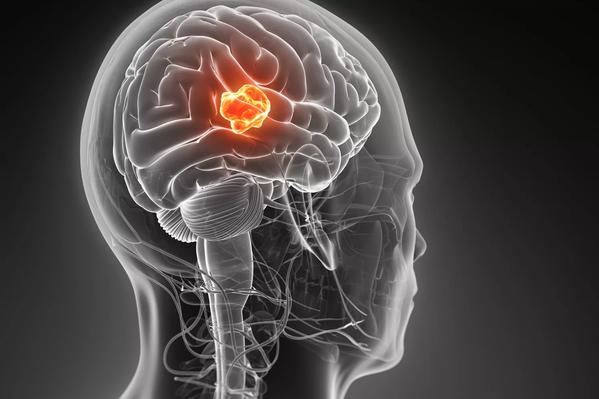
New Cleveland Clinic research shows for the first time that ibrutinib, an FDA-approved drug for lymphoma and leukemia, may also help treat the most common – and deadliest – type of brain tumor. The findings, published in Science Translational Medicine, offer hope that the drug may one day be used in patients with glioblastoma and improve poor survival rates.

Image content: This image is available to view online.
View image online (https://assets.clevelandclinic.org/transform/923af70f-82f4-4408-bf5c-b2c476bab678/Bao-Shideng-002_jpg)
Shideng Bao, Ph.D.
The team of researchers, led by Shideng Bao, Ph.D., of Cleveland Clinic’s Lerner Research Institute found that ibrutinib slowed brain tumor growth in mice and extended survival more than 10-times the rate of the current standard-of-care chemotherapy drug.
They found in human glioblastoma cells that ibrutinib works by inhibiting glioma stem cells – an aggressive type of brain cancer cell that tends to resist treatment and spread. Furthermore, they showed that combining ibrutinib with radiation therapy prevents glioblastoma cells from developing this resistance. Combination therapy overcame resistance and extended lifespan more effectively than either radiation or ibrutinib treatment alone.
According to the American Brain Tumor Association, glioblastoma survival is very poor – median survival in patients undergoing standard treatment is less than 15 months.
“Glioblastoma is the most lethal primary brain tumor and is highly resistant to current therapies,” said Bao. “There is an urgent need to get new treatments to these patients as quickly as possible.”
In earlier studies, Bao and colleagues found that glioma stem cells have high levels of a protein called BMX (bone marrow and X-linked non-receptor tyrosine kinase). BMX activates a protein called STAT3 (signal transducer and activator of transcription 3), which is responsible for the aggressive, pro-cancer qualities of glioma stem cells. In this new study, the researchers found that ibrutinib works by inhibiting both proteins.
“Additional research is important to understand the effects of ibrutinib in patients, but these early findings are promising,” said Bao. “Using an FDA-approved drug would allow us to surpass many of the lengthy regulatory studies needed when developing a new treatment, and we could potentially begin clinical trials very soon.”
Ibrutinib (Imbruvica) has been approved by the U.S. Food & Drug Administration to treat certain types of leukemia and lymphoma, as well as chronic graft versus host disease.
Bao is a staff member in Cleveland Clinic Lerner Research Institute’s Department of Stem Cell Biology & Regenerative Medicine. The research team included first author Yu Shi.
This research was supported by grants from National Key Research and Development Program of China and the National Institutes of Health.
Cleveland Clinic is a nonprofit multispecialty academic medical center that integrates clinical and hospital care with research and education. Founded in 1921 by four renowned physicians with a vision of providing outstanding patient care based upon the principles of cooperation, compassion and innovation, Cleveland Clinic has pioneered many medical breakthroughs, including coronary artery bypass surgery and the first face transplant in the United States. Cleveland Clinic is consistently recognized in the U.S. and throughout the world for its expertise and care. Among Cleveland Clinic’s 83,000 employees worldwide are more than 6,600 salaried physicians and researchers, and 21,900 registered nurses and advanced practice providers, representing 140 medical specialties and subspecialties. Cleveland Clinic is a 6,725-bed health system that includes a 173-acre main campus near downtown Cleveland, 23 hospitals, 300 outpatient facilities, including locations in northeast Ohio; Florida; Las Vegas, Nevada; Toronto, Canada; Abu Dhabi, UAE; and London, England. In 2025, there were 15.9 million outpatient encounters, 343,000 hospital admissions and observations, and 336,000 surgeries and procedures throughout Cleveland Clinic’s health system. Visit us at clevelandclinic.org. Follow us at x.com/CleClinicNews. News and resources are available at newsroom.clevelandclinic.org.
Editor’s Note: Cleveland Clinic News Service is available to provide broadcast-quality interviews and B-roll upon request.



 Search