Locations:




In the Nurse Inventor Spotlight series, Cleveland Clinic nurses share their innovation journey, inspiration, unmet needs, and how their innovation may impact patients and caregivers.
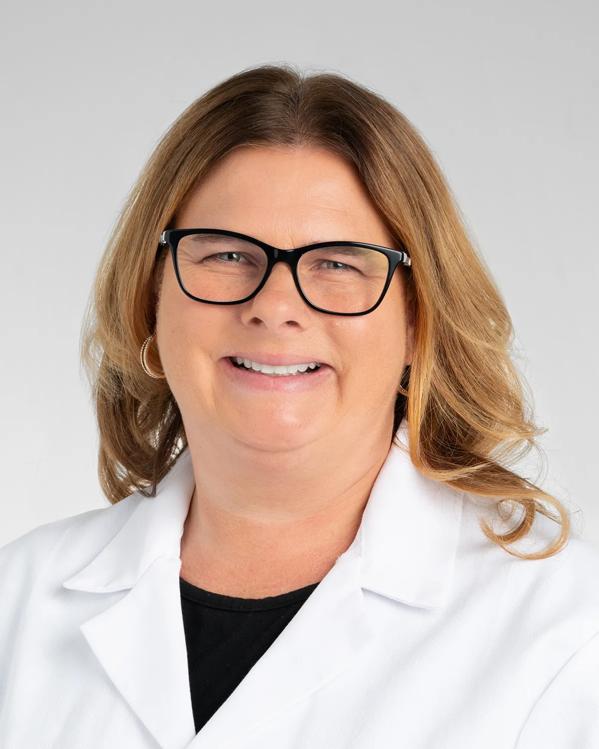
In the latest issue of the Nurse Inventor Spotlight series, Amy Weil, BSN, RN at Cleveland Clinic discusses her role, her journey with Innovations, who she finds inspiring, and more.
Q: Could you share your background, how long you have been with Cleveland Clinic and your current role?
A: I’m currently the Nurse Manager for Pediatric Cardiology Outpatient Services as well as the Pediatric Catheterization Lab at Cleveland Clinic main campus. I’ve been with the organization for 12 years, during which I’ve held a variety of roles. I’m a registered nurse with a Bachelor of Science in Nursing (BSN). My work background was previously within inpatient roles and my first experience in an outpatient setting was in the cardiac catheterization lab.
Q: What aspects of your role inspire you the most, especially considering your diverse experiences at Cleveland Clinic over the past 12 years?
A: In my current role as a leader within the organization, I find inspiration in the opportunity to drive quality care and initiate meaningful change. One of the aspects I love most is supporting my team by identifying areas that aren't working well and developing strategies for improvement. This focus on problem-solving is at the core of who I am, passionate about enhancing patient care and creating safer, more efficient processes. Ultimately, these improvements not only benefit our patients but also enhance caregiver satisfaction, which is incredibly fulfilling.
Q: Could you share some details about the innovative initiatives you're currently working on or envisioning?
A: In January 2023, while working as a staff nurse in the Cath lab, I experienced a pivotal incident that underscored the importance of patient safety. During a patient transport back to the Intensive Care Unit (ICU), the intravenous therapy (IV) pole, carrying multiple medication pumps, tipped over. Fortunately, the anesthesiologist caught it just in time, preventing potential harm to a patient who was heavily reliant on life support medication. This close call made me realize the significant risks involved during patient care delivery and inspired me to rethink our safety protocols.
At a staff meeting around that time, our manager had raised a safety protocol concern about a sudden increase in vascular complications. This prompted me to use a quality improvement framework to learn more. I reviewed charts to identify quality and safety factors among the affected patients. I learned that we had inconsistencies in our practices regarding sheath removal and the amount of time pressure was placed on the blood vessel (also known as hold times). The inconsistencies highlighted a need for standardized procedures to improve patient outcomes.
After discussing the issues with our physician, over the following six months we developed and implemented a standardized protocol for sheath removal Post implementation, there was not an obvious change in our complication rates, which we learned was due to nonadherence to the protocol, as only about 50% of staff were adherent. Further assessment revealed that varying orders and anesthesia considerations may have led staff to hold the sheaths for insufficient time. Once we simplified the protocol and enhanced team education, compliance rose to nearly 90%.
As a result of these efforts, our vascular complication rate dropped to just 3%. This journey, initiated by the alarming incident during patient transport, has driven meaningful change in our department and highlighted the critical importance of proactive measures in patient safety.
From this experience, I learned the importance of presenting data accurately and cautiously, as it can lead to valuable innovations for patient care. For instance, after implementing the revised protocol, we tracked our complication data rate for a year and compared it to our baseline complication rate. We also began to focus on complications that occurred after achieving hemostasis—including instances where patients coughed or were moved.
Q: Where do things currently stand with your idea or invention? How far along are you, and what has the timeline been like for this particular development?
A: I initially submitted my idea through the Nursing Innovations Step Forward Portal, and Karen Schaedlich, MSN, RN, Nursing Innovation Coordinator, reached out, expressing interest in investigating it further. Together, we developed the Invention Disclosure Form (IDF) and conducted an initial assessment of the idea’s novelty. While similar products existed on the market, none appeared to address the unmet need of adjustable length, quick release focused on ease of use and use of a level. After submitting the IDF to Cleveland Clinic Innovations, the project entered the Assessment Phase. During this phase, an Innovations project team is assigned to further evaluate the commercial potential of the case, consisting of leads from market assessment, a technology development, engagement, and business development. The team helped me create a pitch deck describing the problem, solution, and value of the device. but unfortunately, it wasn’t approved to move forward at this time due to several reasons. Despite that, the CCI team was enthusiastic about the idea, and I applied for a Catalyst grant to continue developing prototypes. We're now waiting for funding, which will allow us to test the solution with caregivers to evaluate its effectiveness.
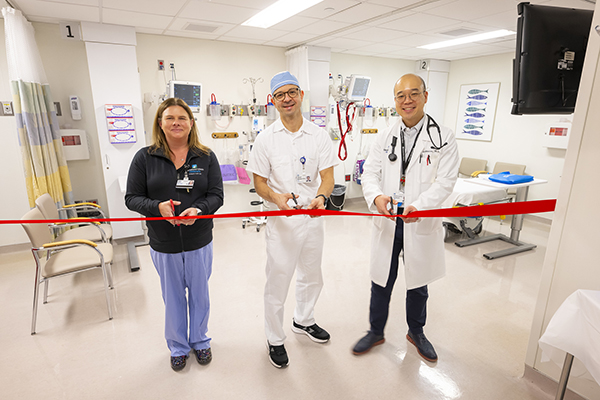
Image content: This image is available to view online.
View image online (https://my.clevelandclinic.org/-/scassets/images/org/innovations/amy-weil-ribbon-cutting)
Q:Can you describe what the process has been like for you as you've worked through the invention journey, and what has surprised you the most about it so far?
A: I had no idea what to expect going into the invention process, so having the support of the Innovations department was crucial for me. I wouldn't have known how to navigate it on my own. The most notable part for me has been the level of support available. Without the team guiding me, especially after my idea was initially denied, I might not have continued pursuing other resources. For example, it was Shaher Ahmad, EMBA, Associate Director, Innovations Development, who suggested to apply for a Catalyst grant, something I wouldn't have thought of by myself. The resources and support available to caregivers at Cleveland Clinic are incredible, though not as widely known as they should be.
Q:Could you please describe what the process of applying for the caregiver Catalyst grant has been like for you?
A: The Catalyst grant process started with Michelle Leung, MPH, Engagement Partner, helping me find and complete the application. Karen, Shaher, Michelle and I met several times to review it, and they made suggestions on what to include and how to improve it. One of the more challenging parts of the application was estimating costs, which I had no experience with as a nurse. Shaher connected me with people who could provide cost estimates for the prototype, guiding me through the creation of the budget. Overall, the support I received from Cleveland Clinic Innovations throughout the process was invaluable, especially since I don't have a background in engineering or materials. That assistance was the biggest takeaway for me.
Q: Have any caregivers you’ve interacted with during this journey inspired you, either within Innovations or someone else you’ve met, who surprised you with their mindset of identifying an unmet need and working through the process to improve patient care?
A: Karen has been instrumental throughout my entire journey. Additionally, I attended a Nursing Innovation Summit where nurse inventors shared their stories. Hearing from other nurses who have successfully navigated the process, whether with their hospitals or independently, was incredibly inspiring. One nurse's words particularly resonated with me: 'Innovation is a marathon, not a sprint.' That mindset has helped me stay focused and not get discouraged by setbacks. It reminded me that even when things don’t go as planned, it’s important to pivot and keep pushing forward if you believe the need is real.
Q: What advice would you give to someone in your field who might be interested in inventing but not know where to start?
A: My best piece of advice for anyone looking to innovate is to leverage the incredible resources available at Cleveland Clinic. Innovation is central to our mission, vision, and values, and it resides within each of us. I believe that everyone has the potential to contribute ideas that could significantly enhance patient care and guide our practices.
To start, have the courage to speak up and share your ideas, no matter how small they may seem. There are likely countless innovative thoughts and solutions waiting to be explored, but many people just don’t know how to bring them to fruition.
Take advantage of the programs and support systems available here, they are invaluable in fostering creativity and collaboration. I can personally attest that my successes would not have been possible without our workplace resources. Remember, the journey of innovation begins with a single idea, so don’t hesitate to share yours. Together, we can continue to drive meaningful change in patient care.
Nursing Institute leadership encourages caregivers to be the next nursing innovator! Step Forward with your innovative idea by submitting your idea on the Nursing Innovation’s Step Forward Portal.


 Search