Locations:





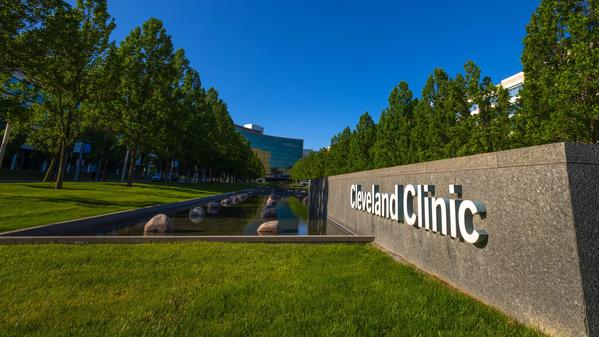
Cleveland Clinic is in the early stages of planning the next phase of its Main Campus master plan, a long-term effort designed to guide thoughtful growth and investment over the next five years and support the evolving needs of patients, caregivers and the community.
The planning process will focus on expanding the organization’s ability to care for more patients, particularly those who are critically ill, while strengthening the specialized programs, technology and infrastructure required to deliver complex, advanced care. Cleveland Clinic cares for patients with the most complex needs of any large academic medical center.
“As healthcare continues to evolve, we must plan ahead to ensure patients have timely access to the specialized care they need and that our caregivers have the environment and resources to deliver that care,” said Tom Mihaljevic, M.D., CEO and President of Cleveland Clinic and Morton L. Mandel CEO Chair. “By reinvesting in our organization, we are strengthening our ability to provide the type of care needed now and in the future.”
Cleveland Clinic is evaluating a range of opportunities as part of this planning effort, which may include:
Initial projects include expansion of the Emergency Department, including development of a Level I Trauma Center; the opening of a new Neurological Institute building in January 2027; enhancements within the Taussig Cancer Center; development of a new Central Utility Plant; and the addition of green space across campus.
This long-term planning effort reflects ongoing commitment to reinvest in spaces that support high-quality care, advance innovation and improve the experience for patients, caregivers, visitors and neighbors. Across Cleveland Clinic, nearly one-third of the facilities are more than 50 years old.
This fall, Cleveland Clinic will open two new research buildings, a significant expansion of laboratory research space on Main Campus. The two buildings will total 300,000 square feet and feature advanced research laboratories, dedicated classroom space, offices and a café as well as enhanced greenspace, landscaping and walking paths that will offer a new entrance to the southeast section of the Main Campus.
The master plan process is a phased, multi-year initiative, and plans will continue to evolve as needs are further assessed. Cleveland Clinic is committed to engaging patients, caregivers, community stakeholders and neighbors throughout the process and will share additional updates, including details and visual concepts, as they become available.
Cleveland Clinic is a nonprofit multispecialty academic medical center that integrates clinical and hospital care with research and education. Founded in 1921 by four renowned physicians with a vision of providing outstanding patient care based upon the principles of cooperation, compassion and innovation, Cleveland Clinic has pioneered many medical breakthroughs, including coronary artery bypass surgery and the first face transplant in the United States. Cleveland Clinic is consistently recognized in the U.S. and throughout the world for its expertise and care. Among Cleveland Clinic’s 83,000 employees worldwide are more than 6,600 salaried physicians and researchers, and 21,900 registered nurses and advanced practice providers, representing 140 medical specialties and subspecialties. Cleveland Clinic is a 6,725-bed health system that includes a 173-acre main campus near downtown Cleveland, 23 hospitals, 300 outpatient facilities, including locations in northeast Ohio; Florida; Las Vegas, Nevada; Toronto, Canada; Abu Dhabi, UAE; and London, England. In 2025, there were 15.9 million outpatient encounters, 343,000 hospital admissions and observations, and 336,000 surgeries and procedures throughout Cleveland Clinic’s health system. Visit us at clevelandclinic.org. Follow us at x.com/CleClinicNews. News and resources are available at newsroom.clevelandclinic.org.
Editor’s Note: Cleveland Clinic News Service is available to provide broadcast-quality interviews and B-roll upon request.




 Search