Locations:





An emergency medicine physician explains the risks of hypothermia and frostbite as an arctic blast sweeps across the United States.
Cleveland Clinic News Service | 216.444.0141
We’re available to shoot custom interviews & b-roll for media outlets upon request.
CCNS health and medical content is consumer-friendly, professional broadcast quality (available in HD), and available to media outlets each day.
Content is property of Cleveland Clinic and for news media use only.
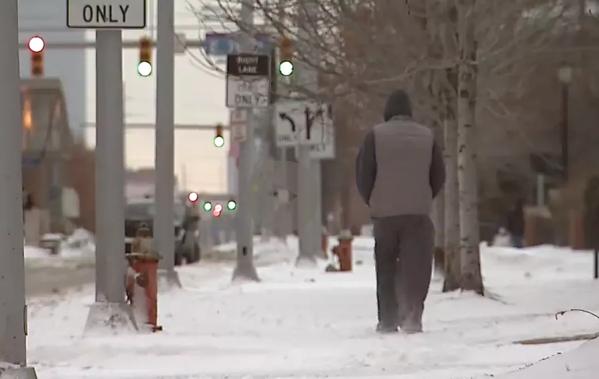
CLEVELAND – As an arctic blast sweeps across the country, it’s important to make sure you’re taking the right precautions to stay safe.
As Christopher Bazzoli, MD, emergency medicine physician with Cleveland Clinic explains, hypothermia and frostbite can quickly sneak up on you.
“Hypothermia and frostbite are both linked pretty closely, especially in cold temperatures and even more so with higher winds,” said Dr. Bazzoli. “This can start to impact somebody that is out in the cold in as few as several minutes, depending on how cold and how windy it is.”
For those unfamiliar, hypothermia happens when your body temperature drops below 95-degrees Fahrenheit.
Symptoms can include shivering, exhaustion, clumsiness, sleepiness, weak pulse, fast heart rate and rapid breathing. You may also experience confusion and trouble speaking.
As for frostbite, symptoms can vary. However, it typically starts with a burning or tingly sensation.
In severe cases, the skin tissue can die and a person may require surgery or an amputation.
Dr. Bazzoli said that’s why it’s so important to quickly get inside and warm up – but be careful as you do.
“An extremity or an area of your body that is too cold, you want to warm up with luke-warm to mildly warm water,” he advised. “Make sure you have somebody else that is testing the water because you don’t want to scald yourself and you may not have all of your sensation.”
He said if you notice any kind of blistering or loss of feeling, you should go to the hospital to get examined.
And of course, in cases of an emergency, be sure to call 9-1-1.







 Search