Locations:





New research from Cleveland Clinic shows a possible association between getting too much niacin (vitamin b3) and the risk for cardiovascular disease.
Cleveland Clinic News Service | 216.444.0141
We’re available to shoot custom interviews & b-roll for media outlets upon request.
CCNS health and medical content is consumer-friendly, professional broadcast quality (available in HD), and available to media outlets each day.
Content is property of Cleveland Clinic and for news media use only.
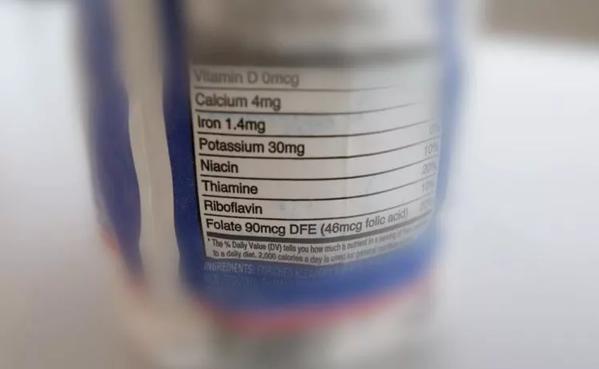
CLEVELAND – For years, vitamin B3, better known as niacin, has been added to many of the foods we eat every day.
But, new research from Cleveland Clinic shows getting too much can put you at risk for cardiovascular disease.
“What we found is that people who are in the top 25% of the population are getting too much and they’re making, as a result, some of these excess break down metabolite products that normally wouldn’t even be seen in a healthy diet that was natural,” explains Stanley Hazen, MD, PhD, physician scientist for Cleveland Clinic.
Dr. Hazen said they discovered through their research that if a person gets too much niacin, it can lead to an excess of a specific kind of metabolite, which can then contribute to a risk for cardiovascular disease.
So, why are people getting too much niacin?
He said the United States originally required niacin to be added to foods like cereal, flour and oats to help prevent vitamin B3 deficiency. Our body doesn’t create enough of the vitamin on its own.
However, he said the problem now is since many of the foods people eat are highly processed, they’re getting too much.
He believes these findings could help change that.
“One thing is it improves diagnostic tests to identify who is at risk for disease and needs to be the focus of where preventative efforts go,” said Dr. Hazen. “The second is by understanding who is involved, we can do the process of how do we intervene on this pathway.”
Dr. Hazen said until a blood test for this can be made public, people should try to stick to a whole foods diet and avoid processed foods.








 Search