Locations:





A pediatric psychologist explains why family routines are so important for children and the potential consequences of not having one.
Cleveland Clinic News Service | 216.444.0141
We’re available to shoot custom interviews & b-roll for media outlets upon request.
For download password, contact ccnewsservice@ccf.org.
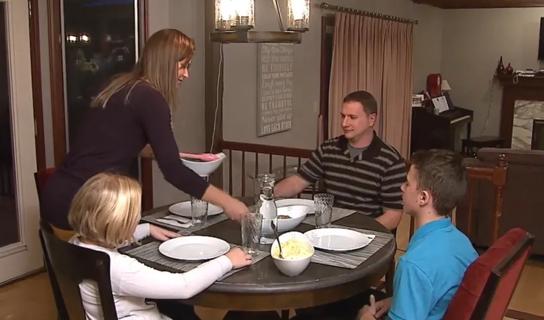
CLEVELAND - Do you eat dinner with your kids around the same time every day?
Or maybe you always read a book with them before bed.
These kinds of family routines can make a big difference.
“It creates connection, and connection is the basis for a lot of really important things in childhood and child development. In addition to that, it creates opportunity for structure. It allows for kids to recognize some predictability in knowing what to expect, and there’s a lot of long-term benefits found to be related to that,” said Kate Eshleman, PsyD, psychologist at Cleveland Clinic Children’s.
Dr. Eshleman said when a family doesn’t have a routine, it can lead to all kinds of issues for a child.
For example, they could become more disruptive or start to feel anxious since they never know what to expect.
Research shows it can even impact their self-esteem and independence.
Dr. Eshleman said family routines are going to look different for everyone, and they don’t have to be super strict either -- what matters is that you have one.
“It could be your routine of driving to school in the morning, or walking to the school bus, evening dinners, bedtime routines, structure around checking homework, chores. It really can be flexible for what works with your family,” she said.
Dr. Eshleman adds that it’s never too late to start a family routine.
However, there will likely be an adjustment period, so try to be patient.






 Search