Locations:





Two studies find that elevated bacteria levels in tumors weaken immune response, paving way for new therapeutic strategies
Content is property of Cleveland Clinic and for news media use only.
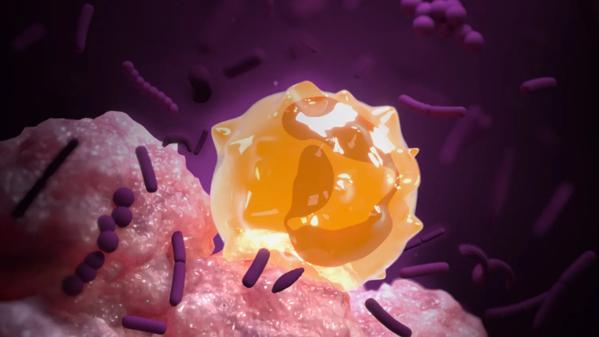
Cleveland Clinic researchers have discovered that bacteria inside cancerous tumors may be key to understanding why immunotherapy works for some patients but not others.
Two new studies, published simultaneously in Nature Cancer, reveal that elevated levels of bacteria in the tumor microenvironment suppress immune response, driving resistance to immunotherapy in patients with head and neck squamous cell carcinoma.
“These studies shift the focus of immunotherapy resistance research beyond tumor genetics to unexpected factors like the tumor microbiome,” said Timothy Chan, M.D., Ph.D., chair of Cleveland Clinic’s Department of Cancer Sciences and lead author of one of the papers. “By identifying bacteria as a key barrier to treatment, we’re opening the door to new strategies for patient selection and targeted antibiotic therapies, potentially improving outcomes for those who don’t benefit from immunotherapy.”
The research team, led by Dr. Chan, Daniel McGrail, Ph.D., assistant staff in the Center for Immunotherapy & Precision Immuno-Oncology, and Natalie Silver, M.D. M.S., director of Head and Neck Cancer Research, validated the findings through patient samples, preclinical models and clinical trial data.
In the first paper, Dr. McGrail analyzed genetic data from patient tumor samples, revealing that higher bacterial levels – not specific strains – weaken immune response. Dr. Silver confirmed these findings in preclinical models: antibiotics reduced tumor size and improved immune response, while adding bacteria made tumors resistant to immunotherapy. The team also worked with Renata Ferrarotto, M.D., from the University of Texas MD Anderson Cancer Center to study the relationship between bacteria and treatment responses in head and neck cancer patient clinical trial samples.
“Immunotherapy is a promising treatment option for patients with head and neck cancer, but the majority unfortunately do not respond,” Dr. Silver said. “Our research examines how bacteria influence treatment failure. This can help us identify patients most likely to benefit from immunotherapy, with the goal of avoiding unnecessary risk and exposure. Ultimately, we aim to develop targeted interventions that restore the effectiveness of immunotherapy in for patients who do not initially respond.”
In the second paper, Dr. Chan led a data analysis of the Javelin HN100 Phase III clinical trial, which tested whether adding anti-PDL1 immunotherapy to standard chemoradiotherapy improved outcomes for patients with head and neck squamous cell carcinoma. The analysis confirmed that patients with high tumor bacteria levels had poorer outcomes with immunotherapy compared to standard chemoradiotherapy. The trial included collaborators from Memorial Sloan Kettering Cancer Center and Dana-Farber Cancer Institute.
Together, the two studies showed that elevated bacteria levels in tumors attract neutrophils, white blood cells that fight infection. While neutrophils are essential for combating bacterial infections, in cancer they can suppress the immune system needed for immunotherapy to work effectively. These findings lay the foundation for future research on why bacteria are attracted to tumors and how to modify them to improve treatment.
Building on these discoveries, Dr. Silver launched a clinical trial funded by the American Cancer Society and VeloSano, a Cleveland Clinic fund-raising movement to beat cancer, to test whether antibiotics can lower tumor microbiome levels and boost immunotherapy response in patients with head and neck squamous cell carcinoma. Meanwhile, Dr. McGrail is studying how bacteria influence cancer development and why some tumors harbor more bacteria, aiming to develop new therapeutic strategies, and Dr. Chan is exploring how bacteria may induce DNA mutations in tumors.
“By uncovering the tumor microbiome’s role in immunotherapy resistance, these studies mark a significant step forward in understanding the complex interactions between cancer and the immune system,” said Dr. McGrail. “This research broadens our perspective on cancer treatment and paves the way for developing personalized therapies to improve outcomes for patients.”
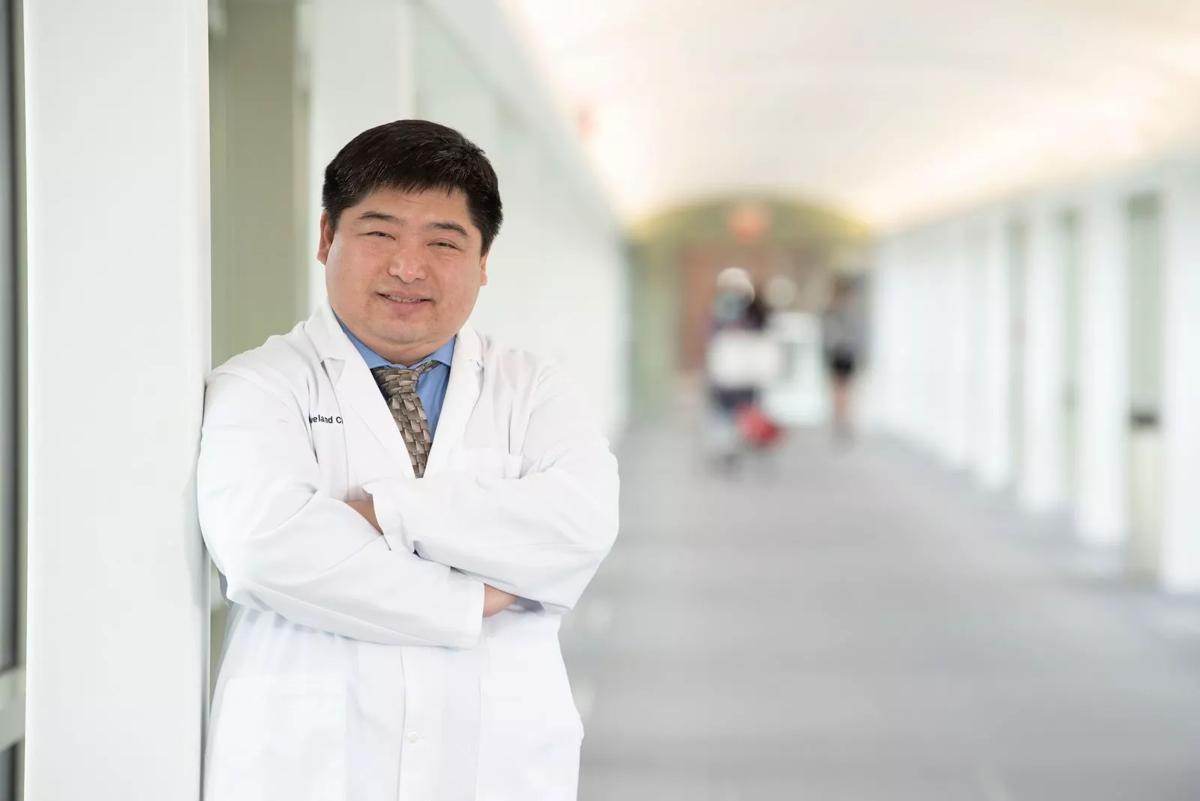
Image content: This image is available to view online.
View image online (https://assets.clevelandclinic.org/transform/5b479425-1ffb-474d-b466-c476cbea3b29/DrChan-jpg)
Timothy Chan, M.D., Ph.D.
Cleveland Clinic is a nonprofit multispecialty academic medical center that integrates clinical and hospital care with research and education. Founded in 1921 by four renowned physicians with a vision of providing outstanding patient care based upon the principles of cooperation, compassion and innovation, Cleveland Clinic has pioneered many medical breakthroughs, including coronary artery bypass surgery and the first face transplant in the United States. Cleveland Clinic is consistently recognized in the U.S. and throughout the world for its expertise and care. Among Cleveland Clinic’s 83,000 employees worldwide are more than 6,600 salaried physicians and researchers, and 21,900 registered nurses and advanced practice providers, representing 140 medical specialties and subspecialties. Cleveland Clinic is a 6,725-bed health system that includes a 173-acre main campus near downtown Cleveland, 23 hospitals, 300 outpatient facilities, including locations in northeast Ohio; Florida; Las Vegas, Nevada; Toronto, Canada; Abu Dhabi, UAE; and London, England. In 2025, there were 15.9 million outpatient encounters, 343,000 hospital admissions and observations, and 336,000 surgeries and procedures throughout Cleveland Clinic’s health system. Visit us at clevelandclinic.org. Follow us at x.com/CleClinicNews. News and resources are available at newsroom.clevelandclinic.org.
Editor’s Note: Cleveland Clinic News Service is available to provide broadcast-quality interviews and B-roll upon request.





 Search