Locations:





An infectious disease specialist explains the rise in pediatric flu cases and co-infections and offers advice for parents on prevention.
Cleveland Clinic News Service | 216.444.0141
We’re available to shoot custom interviews & b-roll for media outlets upon request.
For download password, contact ccnewsservice@ccf.org.
CLEVELAND - According to the CDC, many states are seeing a record number of flu cases.
And now more co-infections are being reported in children as well.
“Co-infections today are much more common now. It may be that we’re able to test for more viruses at one time, so therefore we’re able to pick up that somebody has more than one virus, whereas in the past we didn’t have those tests that look for 20-30 viruses,” explained Camille Sabella, MD, infectious disease specialist at Cleveland Clinic Children’s.
Dr. Sabella said a co-infection is when a child gets sick with two different viruses at once, like the flu and covid, for example.
In most cases, a child is usually able to recover at home with supportive care.
However, in more serious cases, they may need antiviral medications or even to be hospitalized.
Dr. Sabella said while the flu and other co-infections can’t be prevented completely, there are ways to help reduce the spread.
They include regularly washing your child’s hands, keeping them home when sick and getting them vaccinated if they haven’t already.
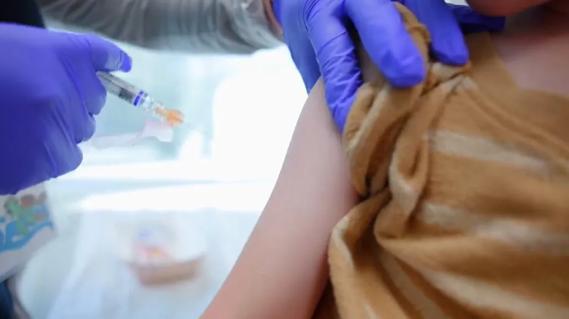
“We’re still recommending that all children six months and older get the flu vaccine, and especially for anyone who has any chronic condition that makes them more susceptible to having severe influenza,” he said.
Dr. Sabella said if your child does get sick and begins to experience worsening symptoms such as chest pain, difficulty breathing or a change in mental status, it’s important to seek medical attention right away.






 Search