Locations:




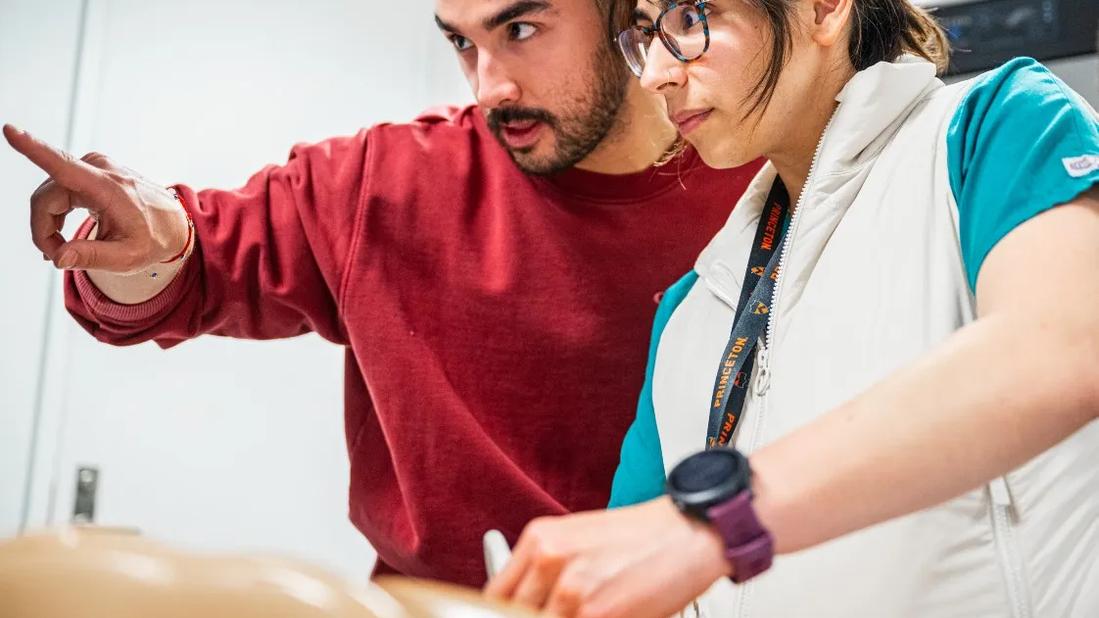
Image content: This image is available to view online.
View image online (https://assets.clevelandclinic.org/transform/30babd55-7f0b-4ab8-87eb-258d4a86ebc0/PHI_7627009_03-09-26_067_SCG)
CCLCM graduates performing research in a skilled lab and simulation center.
Each year, graduating students from the Cleveland Clinic Lerner College of Medicine of Case Western Reserve University participate in a two‑week capstone experience designed to bridge the critical transition from medical student to resident physician. This immersive curriculum goes beyond clinical knowledge, offering students dedicated time to refine essential hands‑on skills, practice managing complex clinical scenarios and strengthen communication and teamwork abilities they will rely on as interns.
Equally important, capstone provides practical insights into the realities of residency — from managing demanding workloads and maintaining well‑being to navigating professional expectations and life decisions during an especially rigorous first year. Together, these experiences help ensure graduates enter residency prepared, confident and ready to succeed as physician investigators. Below are some highlights from this year’s capstone activities.
Students participated in two sessions on professionalism, one called “Looking Back/Looking Ahead: On Becoming a Doctor” and the other on “How to Be an Effective Intern.”
They also participated in three sessions to help them transition to residency. “Residency Transition” and “Staying Up to Date in Your Specialty With Technology Tools and AI” offered students ways to support and enhance their transition from medical school to residency. A panel session with current residents and staff gave them gain practical insights and strategies on topics such as work-life balance, and starting a family and managing finances during residency.
The students spent several days in the Simulation & Advanced Skills Center getting trained and certified in Advanced Cardiovascular Life Support (ACLS) and Pediatric Advanced Life Support (PALS) as well as building clinical skills such as:
Of particular note is the crisis resource management exercise that involves a high-fidelity simulation scenario and several standardized patients. In this fast-paced exercise, students identify themselves as medical professionals, develop a care plan and maintain patient safety and stability in a realistic clinical situation. This scenario is frequently cited by students as the most impactful part of their Capstone experience.
The students participated in several full days of educational sessions at the Health Education Campus on topics such as:
On March 13, students and faculty gathered for the 16th Annual Cleveland Clinic Lerner College of Medicine Research Day, featuring keynote speaker Debra Dixon, MD, MS (‘16), Assistant Professor in Cardiovascular Medicine at Vanderbilt University Medical Center. A physician-scientist, Dr. Dixon practices noninvasive cardiology, with a focus on cardiovascular imaging. The event was followed by a reception.
On March 20, the students gathered at the Health Education Campus for Match Day, the day that medical students across the country find out where they’ll be going for residency.
Capstone 2026 involved:
To give the graduating students a chance to have fun and connect one last time with one another and their underclassmen before embarking on residency, the program hosted an evening of Whirlyball, laser tag and bowling during the first week of capstone. During the second week, the graduating students spent time together at a local indoor golf driving range.
Planning, coordinating and delivering the capstone experience requires a substantial commitment of time, energy and expertise from faculty, staff and residents across the enterprise. We are deeply grateful to all who contributed to this year’s program and who shared their knowledge, guidance and support with our students. Their dedication ensures that graduates leave capstone with added confidence, practical skills and a strong foundation as they begin the next phase of their journey as physician investigators.
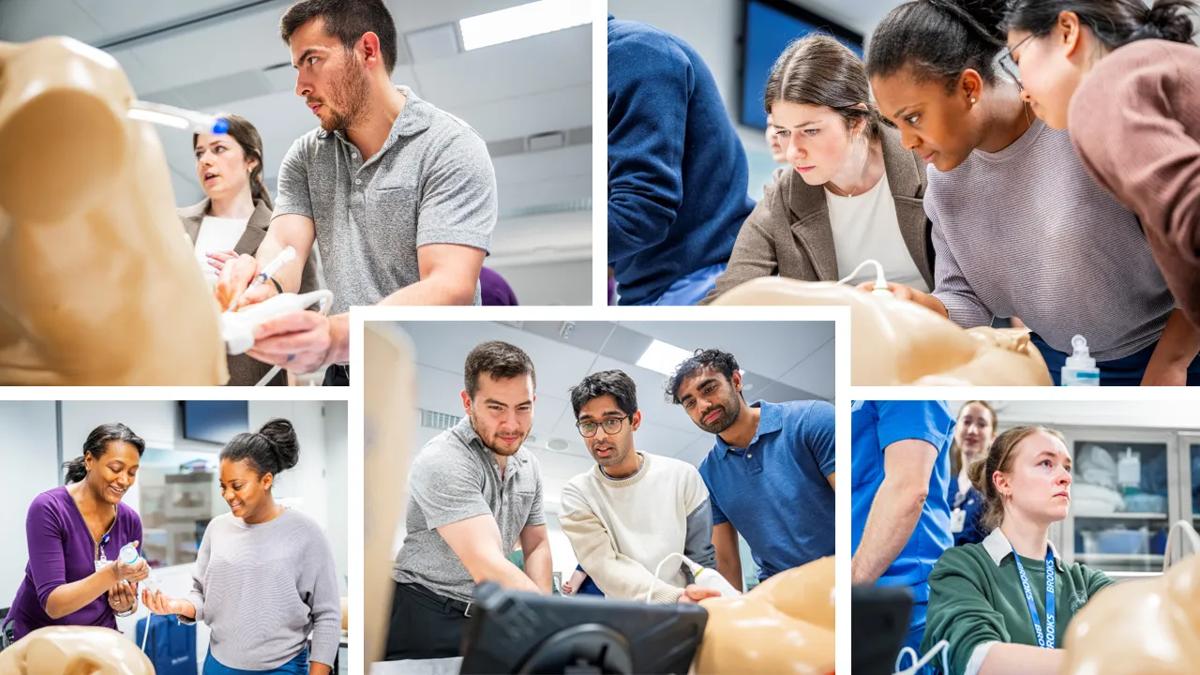
Image content: This image is available to view online.
View image online (https://assets.clevelandclinic.org/transform/68868507-4ead-4722-959f-962ebd9e8684/PHI_7627009_03-09-26_068_SCG)
Photo credit: Shawn Green
 Search