Locations:





Analysis found fewer major complications overall with tirzepatide, including stroke and all causes of death
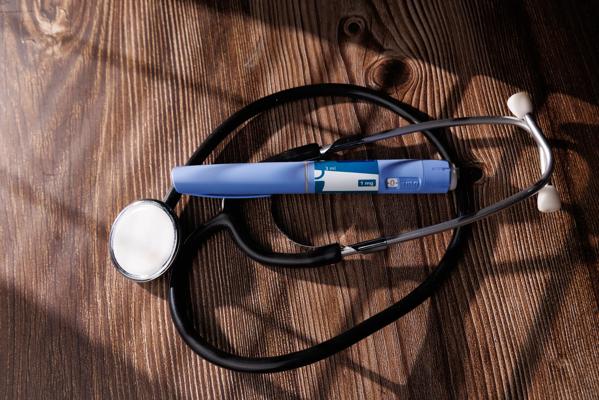
A Cleveland Clinic analysis has found that tirzepatide, a medication that activates both GLP‑1 and GIP hormone receptors, was associated with a lower risk of serious heart and kidney complications compared with the GLP‑1 medication dulaglutide in adults with type 2 diabetes and cardiovascular disease.
Findings were presented today during a late-breaking science session at the American College of Cardiology’s annual meeting in New Orleans and simultaneously published in JAMA Cardiology.
GLP-1 agonist medications such as dulaglutide (brand name Trulicity) work by mimicking this hormone. In people with type 2 diabetes, the medications trigger the pancreas to release more insulin, helping to manage blood sugar. It also reduces appetite, often resulting in weight loss. Tirzepatide (brand name Mounjaro) targets GLP-1 and GIP, which affect appetite and blood sugar control. It signals the brain to reduce appetite, slowing digestion and helping to avoid blood sugar spikes after eating.
These new results come from a secondary analysis of a randomized, double‑blind clinical trial involving more than 13,000 participants with type 2 diabetes and pre‑existing cardiovascular disease. Participants were randomly assigned to receive up to 15 mg once weekly of tirzepatide or 1.5 mg once weekly of dulaglutide for nearly four years on average. Researchers found adverse events including heart attack, stroke or death from cardiovascular causes occurred in 12.2% of participants taking tirzepatide compared with 13.1% of those taking dulaglutide. This result showed that tirzepatide was just as effective as dulaglutide but not statistically superior in lowering major adverse cardiovascular events.
“People with type 2 diabetes face a significantly higher risk of many other complications, so we wanted to find out how these two medications compared for a broader range of adverse outcomes,” said Steven Nissen, M.D., senior author and Chief Academic Officer of the Heart, Vascular & Thoracic Institute at Cleveland Clinic. “In the current analysis, we assessed the effects of tirzepatide on six major complications including heart attack, stroke, coronary procedures such as need for stenting, heart failure, kidney failure and all causes of death. These six complications occurred in 23.7% of patients taking tirzepatide and 27.4% of those taking dulaglutide, a 16% lower risk for tirzepatide, a statistically significant difference.”
Gastrointestinal side effects were more common with tirzepatide, while other adverse events were similar between the two medications.
Dr. Nissen has served as a consultant for many pharmaceutical companies and has overseen clinical trials for Eli Lilly and Company. However, he does not accept honoraria, consulting fees or other compensation from commercial entities.
Cleveland Clinic is a nonprofit multispecialty academic medical center that integrates clinical and hospital care with research and education. Founded in 1921 by four renowned physicians with a vision of providing outstanding patient care based upon the principles of cooperation, compassion and innovation, Cleveland Clinic has pioneered many medical breakthroughs, including coronary artery bypass surgery and the first face transplant in the United States. Cleveland Clinic is consistently recognized in the U.S. and throughout the world for its expertise and care. Among Cleveland Clinic’s 83,000 employees worldwide are more than 6,600 salaried physicians and researchers, and 21,900 registered nurses and advanced practice providers, representing 140 medical specialties and subspecialties. Cleveland Clinic is a 6,725-bed health system that includes a 173-acre main campus near downtown Cleveland, 23 hospitals, 300 outpatient facilities, including locations in northeast Ohio; Florida; Las Vegas, Nevada; Toronto, Canada; Abu Dhabi, UAE; and London, England. In 2025, there were 15.9 million outpatient encounters, 343,000 hospital admissions and observations, and 336,000 surgeries and procedures throughout Cleveland Clinic’s health system. Visit us at clevelandclinic.org. Follow us at x.com/CleClinicNews. News and resources are available at newsroom.clevelandclinic.org.
Editor’s Note: Cleveland Clinic News Service is available to provide broadcast-quality interviews and B-roll upon request.



 Search