Locations:





April is Autism Acceptance Month. An Ohio family shares the remarkable improvements their non-verbal daughter made after starting applied behavioral analysis (ABA) therapy.
Cleveland Clinic News Service | 216.444.0141
We’re available to shoot custom interviews & b-roll for media outlets upon request.
For download password, contact ccnewsservice@ccf.org.
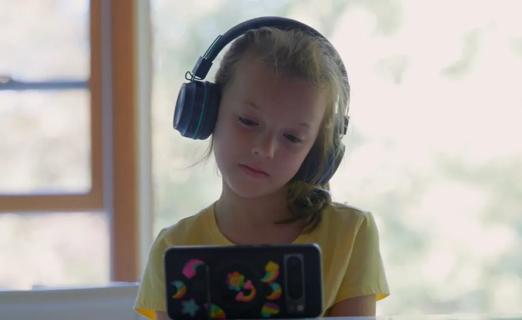
CLEVELAND - With her playful personality and infectious smile, it’s hard to believe Dani Reyes ever had trouble talking.
“Around 15 months, I would say, she just completely stopped talking. No more mama, no more dada, even basic words,” said Dani’s mom, Jackie.
Jackie said she and her husband thought it was just a phase, but then they started to notice some other concerns.
“She would kind of stare off. She wouldn't look at anybody,” Jackie recalls.
Dani was eventually diagnosed with autism and has been in applied behavioral analysis therapy at Cleveland Clinic Children’s ever since.
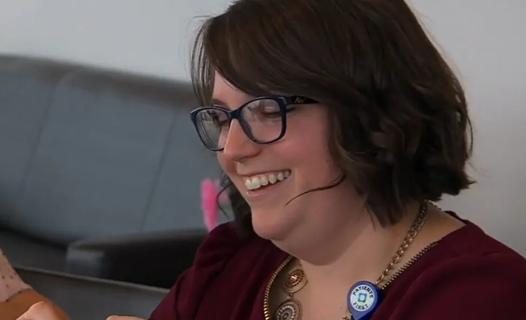
“With ABA, we use prompting and reinforcement to help teach children ways to manage more challenging behavior, improve communication, and help them build independence,” explained Chiara Graver, MS, behavior analyst at Cleveland Clinic Children’s.
Graver said it’s remarkable to see how far the four-year-old has come.
“Dani has a strong foundation for those early academic skills: letters, numbers, handwriting. She loves art, drawing, and playing. She has made progress from this quiet little girl who maybe couldn't manage some harder feelings to a social butterfly,” said Graver.
Jackie said they are grateful for all the help and cherish their daily chats with Dani.
“Some people complain that they’re kids are always talking, but I have a different feeling about that -- when your kid goes from saying mom to not at all,” said Jackie. “So, we just hoped every day for her to talk again, and we're there."





 Search