Locations:





The Cleveland Clinic Lerner of College of Medicine of Case Western Reserve University (CCLCM) is a five-year program dedicated to developing the next generation of physician investigators. During their first year, students are assigned dedicated physician and research advisors to help ensure they reach their educational goals. In their fourth year, students work with a mentor to develop a master’s-level thesis in basic science, translational medicine, clinical medicine or health systems. When the students graduate, they each receive an MD with Special Qualification in Biomedical Research from Case Western Reserve University.
The research in which students are involved is critical and timely, and often results in presentations at national conferences and publication in scholarly journals. The example below briefly describes a student’s research project involving how new genetic mutations may contribute to neurological diseases:
“During my research year, I worked with my PhD advisors Murat Gunel, MD, and Zeynep Erson Omay, PhD, at Yale University. I also worked alongside Ashleigh Schaffer, PhD, and Dennis Lal, PhD, MS, at Case Western Reserve University for additional mentorship and technical support.
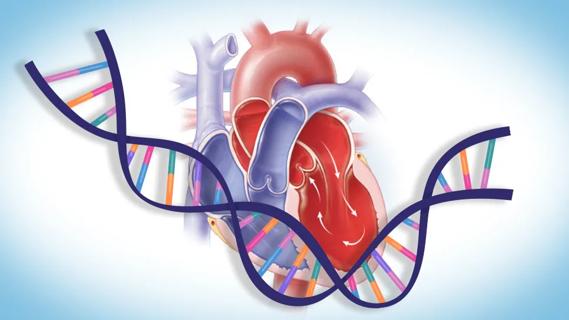
“Our study looked at how new genetic mutations may contribute to neurological diseases, especially conditions involving brain malformations. We analyzed DNA from families with one affected child and two families with two affected children, all recruited from clinical centers in Turkey by the Gunel lab. These children showed a wide range of neurological symptoms and varying levels of severity.
“To identify possible disease-causing mutations, our team used whole-exome sequencing, which examines the protein-coding regions of genes. We then used bioinformatics tools to search for harmful genetic variants inherited in different ways, including recessive mutations and new (“de novo”) mutations that were not inherited from either parent. Expanding on this work alongside my mentors at Yale University, we studied how these genes interact in brain development using gene-expression and network analyses.
“Our study confirmed mutations in several genes already linked to neurological disorders, including CEP290, ATP1A3 and PAFAH1B1. Preliminary results suggested two novel genes that may hold importance in establishing brain morphology.”
- Wilhemina Koomson Osei (’26)





 Search