Locations:





A pediatrician explains why children face a higher risk of lead exposure during the warmer months and how parents can help protect them.
Cleveland Clinic News Service | 216.444.0141
We’re available to shoot custom interviews & b-roll for media outlets upon request.
For download password, contact ccnewsservice@ccf.org.
CLEVELAND - Lead exposure is a concern year-round, but experts say that risk can increase during the warmer months for kids.
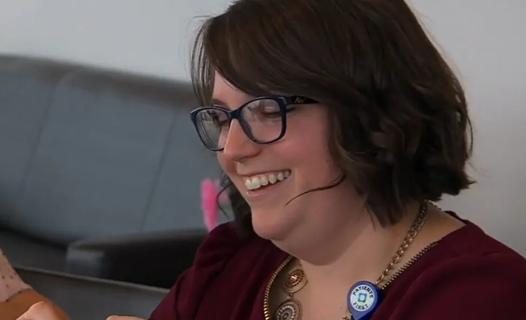
“We see more homes being remodeled during the summer, which can generate lead dust inside the home. With the nicer weather, people are also going in and out of their homes more and opening the windows. This creates repeated friction on what could be older lead paint around windowsills and door frames – causing that paint to deteriorate and create additional lead dust,” explained Roopa Thakur, MD, a pediatrician with Cleveland Clinic Children’s.
While there’s no safe level of lead exposure for anyone, Dr. Thakur said children under age 6 are at the greatest risk.
Because their brains are still developing, lead poisoning can cause irreversible damage in this age group, leading to issues like developmental delays and behavioral problems.
Dr. Thakur said exposure mainly comes from ingesting or inhaling dust from deteriorating lead-based paint from older homes – especially those built before 1978.
If you notice lead paint that’s chipping, clean the area with a damp cloth and mop, then safely cover or repaint it to prevent further exposure.
Dr. Thakur said the risk from lead paint extends outside the home as well.
“When kids play outdoors, especially on bare soil without grass or mulch, they risk being exposed to lead that may be in the soil around homes. Lead can be found in the soil up to 10 feet from a house that has deteriorating lead paint, so it’s important to make sure kids are playing in safe areas,” Dr. Thakur said.
Dr. Thakur added that children with lead poisoning often have no symptoms.
That’s why it’s important to check with your pediatrician to see if your child should be tested.



 Search