Locations:





An emergency medicine physician explains the signs and symptoms of dehydration and offers tips on how to prevent it this summer.
Cleveland Clinic News Service | 216.444.0141
We’re available to shoot custom interviews & b-roll for media outlets upon request.
For download password, contact ccnewsservice@ccf.org.
CLEVELAND - As the temperatures continue to climb this summer, so does the risk of dehydration.
Bryan Baskin, MD, emergency medicine physician at Cleveland Clinic, offers some tips on how to prevent it.
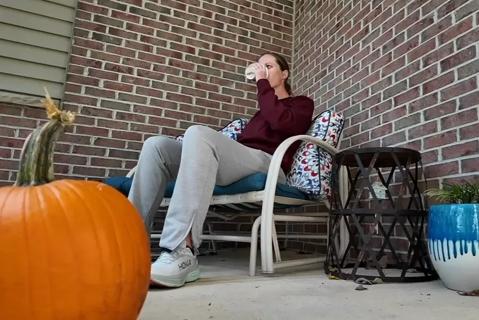
“The best way to prevent dehydration is to take in continuous water throughout the day. And while you're drinking water, make sure you're using electrolytes as well. That can come through food or electrolyte supplementation. In addition, eating foods with water in them, such as fruits like watermelon, can help. Also, make sure you monitor and limit your caffeine and alcohol intake, and monitor your environment,” said Dr. Baskin.
He explains that early signs of dehydration can be subtle.
You may feel thirsty, get a headache, or notice that your urine is darker in color.
If left untreated, symptoms can progress.
You may start to feel tired, get dizzy and could even pass out.
Dr. Baskin said at that point, a person needs to be taken to the emergency department immediately.
But it’s not just dehydration that’s a risk this summer.
“The other two that are very important are heat exhaustion and heat stroke. Heat exhaustion is when your body has a difficult time recovering from increased temperature, and heat stroke is when it loses its ability to recover. The signs and symptoms of that can be similar to dehydration,” said Dr. Baskin.
It’s also important to keep a close eye on the elderly and children this summer.
Dr. Baskin said they can’t always regulate fluids the same way a younger adult can, which can put them at higher risk for things like dehydration.




 Search