Locations:





Flu season has arrived. A pediatrician explains why it's important to get your child vaccinated for the virus and the risks of not doing so.
Cleveland Clinic News Service | 216.444.0141
We’re available to shoot custom interviews & b-roll for media outlets upon request.
For download password, contact ccnewsservice@ccf.org.
CLEVELAND - October is RSV Awareness Month.
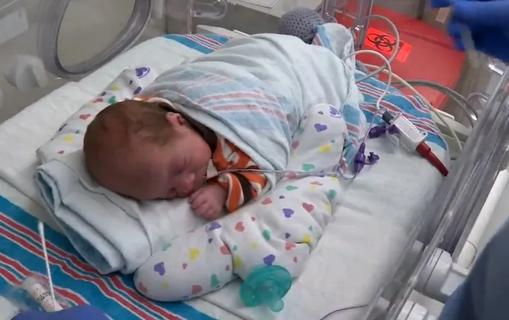
Every year, millions of adults and children get sick with the respiratory virus, but it can be especially dangerous for babies.
“Usually, the first time you get RSV, it's the most severe. And then every time you get it after that, it's less and less severe. So, in older children and adults, it’s much less severe than in younger children,” said Camille Sabella, MD, infectious disease specialist at Cleveland Clinic Children’s. “The first year of life and especially the first six months of life, if a baby gets RSV, they are most likely to be sicker, much more likely to be hospitalized, and much more likely to have pneumonia,”
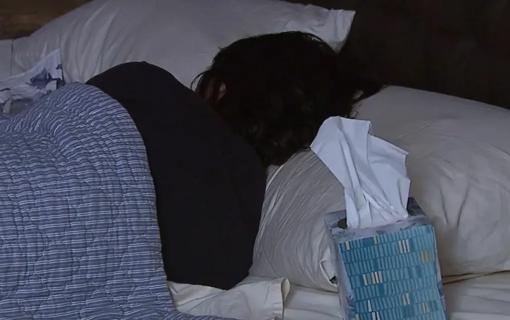
Dr. Sabella said symptoms of RSV can include cough, runny or stuffy nose, sneezing, sore throat, headache, fatigue and fever.
Babies or small children may be more fussy, irritable or not want to play as much.
In more severe cases, they could have trouble breathing, shortness of breath or wheezing, all of which require immediate medical attention.
If a child’s symptoms are on the mild side, treatment usually consists of supportive care at home.
Dr. Sabella said there is an RSV vaccine available for pregnant women and older adults, as well as a monoclonal antibody for infants.
“Technically it's not a vaccine, but it works like one and you're actually giving the babies antibodies against RSV. And for babies whose moms were not given the vaccine during pregnancy, this is now indicated for all babies less than eight months of age who are born during RSV season,” he explained.
Dr. Sabella said RSV can be very contagious and reminds the public to practice good hand hygiene and regularly clean high touch surfaces.



 Search