Locations:





Cleveland Clinic News Service | 216.444.0141
We’re available to shoot custom interviews & b-roll for media outlets upon request.
CCNS health and medical content is consumer-friendly, professional broadcast quality (available in HD), and available to media outlets each day.
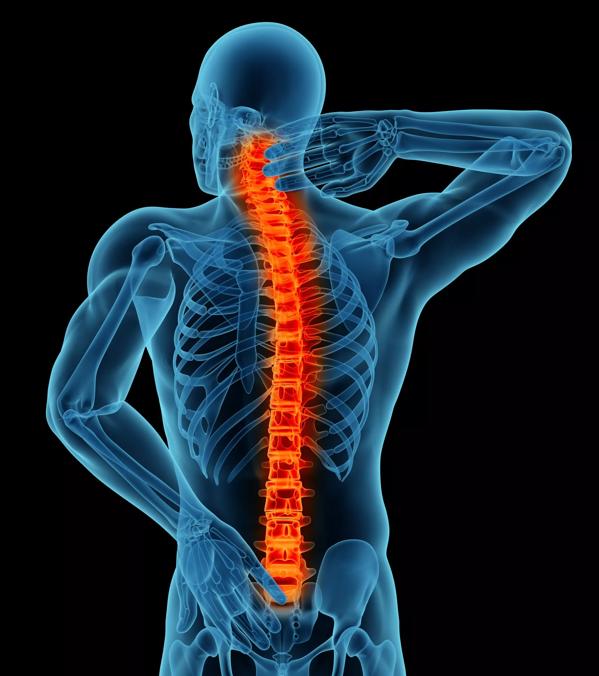
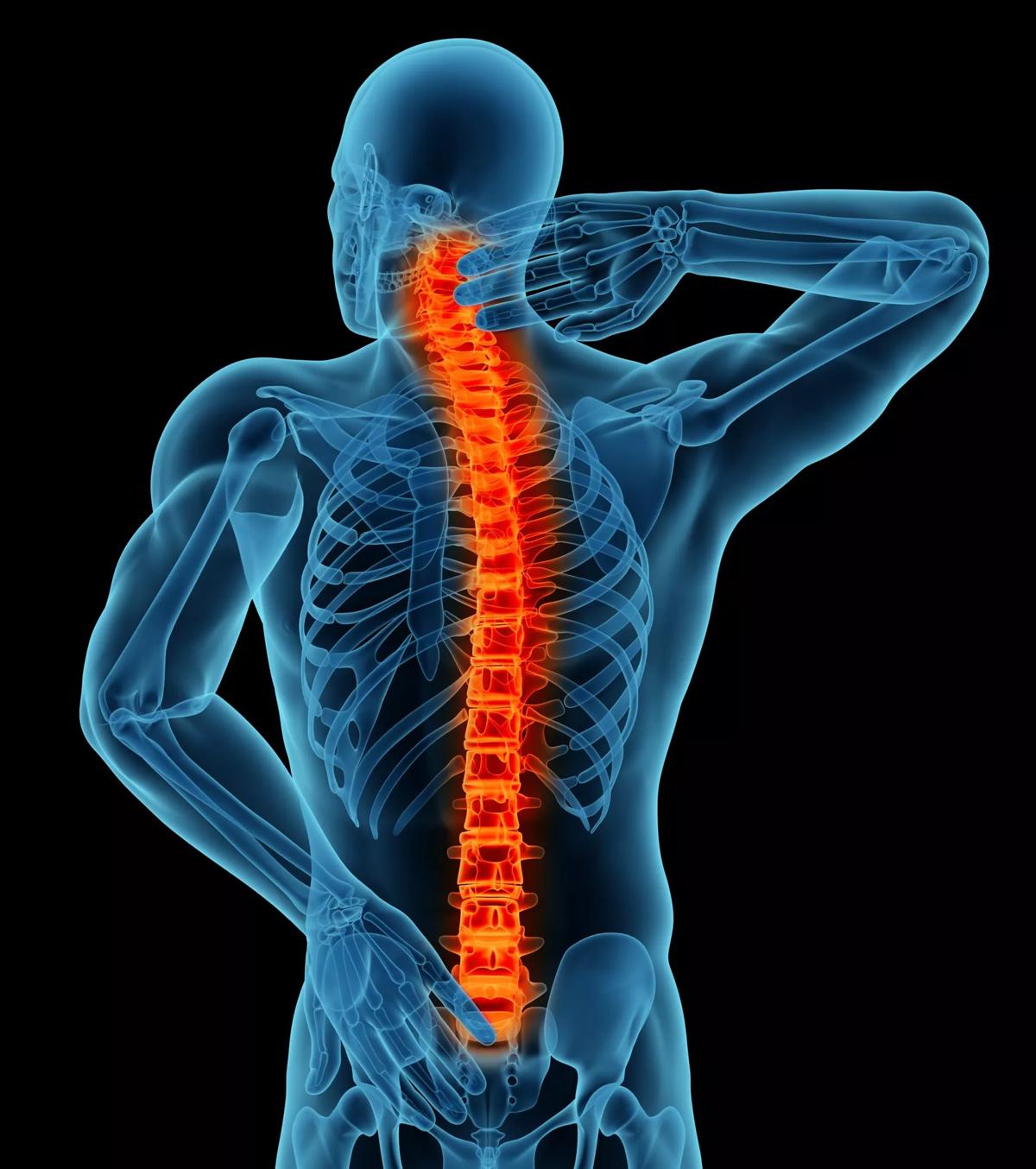
Image content: This image is available to view online.
View image online (https://assets.clevelandclinic.org/transform/9e7f8cdd-54cf-429d-9df7-6da77e1fcb2f/spine-GettyImages-171335235-scaled_jpg)
“(T)he spine is a tricky and complicated region of the body. Several different conditions and diseases can affect the spine, resulting in a wide range of procedures used to treat them. Factor in the experience, expertise and pedigree of treating physicians; the wide variations in the utilization of pre- and post-operative resources; and a slew of patient-specific factors that may arise, and you end up with a swirling tempest of confusion—with the patient in the eye of the storm.
While the spine community has a wealth of knowledge in peer-reviewed medical literature, it remains extremely difficult, if not impossible, for the practicing physician or surgeon to reconcile in real time all of the data that will ultimately determine the most cost-effective choice for a particular treatment.
Fortunately, a solution is within our grasp. At Cleveland Clinic, and elsewhere, we are taking steps to leverage AI.”







 Search