Locations:




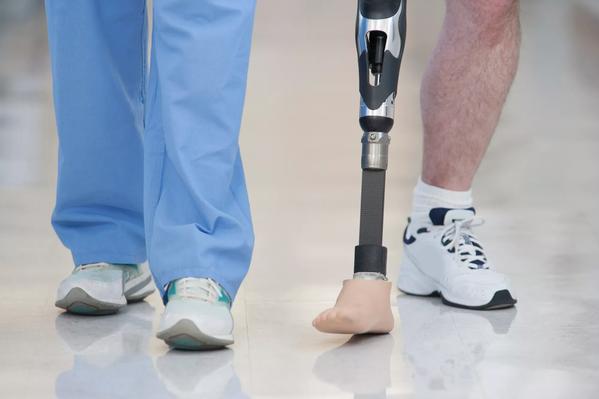
In today’s rapidly evolving healthcare landscape, it is imperative to address the needs and challenges faced by all people including people with disabilities. Recognizing this concern, the Disability Action Group (DAG) at the Cleveland Clinic Lerner College of Medicine of Case Western Reserve University has become an important local voice.
The group’s members, which include staff and faculty from Cleveland Clinic and other medical organizations, some CCLCM graduates and community members active in disability advocacy, have dedicated themselves to improving healthcare for patients, fostering a culture of education on disability issues and empowering aspiring healthcare professionals who have disabilities to achieve their dreams.
A key aim of DAG is to assess the current medical school curriculum, determine important issues relating to the care of persons with disabilities that are not well addressed and then propose changes. By doing this, they hope to establish an educational environment that nurtures inclusivity and equips future healthcare professionals to cater to the unique needs of every patient. Ultimately, the group envisions the Lerner College of Medicine to be a leading institution in disability education, setting a benchmark for comprehensive and compassionate medical training.
For example, the group is currently focused on helping to educate students who are interested in learning how to adapt their history-taking and physical exam skills to meet the needs of patients with disabilities. They also recently held a documentary film screening, featuring local writer Angie Orlando, who is DeafBlind, to better understand the lived experiences of persons with disability and how at individual and system levels healthcare professionals can improve care. Ms. Orlando and the filmmakers attended the screening and stayed to answer questions afterward.
DAG was formed when Samantha Stallkamp Tidd (’24) and Marvin Natowicz, MD, PhD, Professor of Pathology, met and discussed their shared interests for advocating around disability rights. Since then, Samantha and Dr. Natowicz have partnered with others, and the group has taken on multiple projects including incorporating a disability-based case and learning objectives in the first-year students’ problem-based learning sessions and developing an IRB-approved research project aimed at identifying crucial insights from the disability community. Another ongoing initiative aims to fill an important gap: creating an instructional film and other materials to train healthcare professionals to perform respectful and medically appropriate examinations of persons with disabilities.
“It’s incredible to see how far we’ve come. We just had this idea, and now we’re actively making a difference in the curriculum,” says Samantha.
The DAG members acknowledge the importance of building meaningful relationships with people with disabilities and relevant organizations in the Greater Cleveland area, and this, too, is another aim. Through such partnerships, they seek to bridge the gap between healthcare providers and the communities they serve, ensuring that the voices and perspectives of people with disabilities are heard and incorporated into decision making. By engaging with local organizations and community members, the group aims to facilitate open dialogue, promote mutual understanding and effect positive change for people with disabilities.
“I really do think the things we’ve been able to implement have helped change the way people think about disability or at least have helped expose them to these topics,” Samantha says.
The group members envision a future where every medical school graduate feels at ease working with patients with disabilities, demonstrating competence and compassion in their care. Making this vision a reality, or coming as close to it as possible, is at the core of their aspirations. Although the specific projects and objectives may evolve, the ultimate mission remains unchanged: to enhance the lives of people with disabilities and foster a more inclusive and supportive healthcare landscape.
Learn more about the Disability Action Group’s efforts.


 Search