Locations:





A pediatric psychologist highlights the benefits of mindfulness, which is a practice children can use in moments where they feel anxious or stressed.
Cleveland Clinic News Service | 216.444.0141
We’re available to shoot custom interviews & b-roll for media outlets upon request.
CCNS health and medical content is consumer-friendly, professional broadcast quality (available in HD), and available to media outlets each day.
Content is property of Cleveland Clinic and for news media use only.
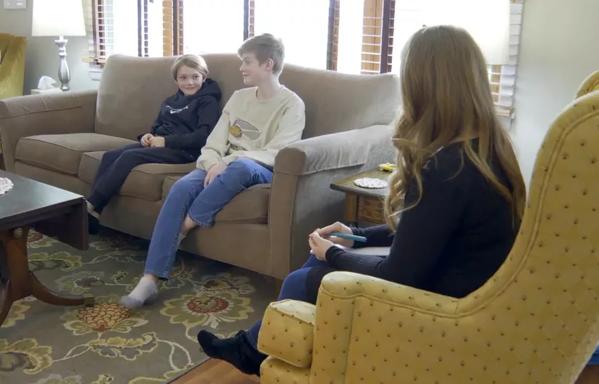
CLEVELAND – If your child tends to experience feelings of stress or anxiety, you may want to consider teaching them about mindfulness.
It’s an easy skill to adopt and offers many benefits.
“Mindfulness is a simple concept of just being in the here and now, and thinking about what’s happening in the present moment and not worry about the past or the future,” explained Emily Mudd, PhD, child psychologist for Cleveland Clinic Children’s. “And for talking to children, I often say it’s as simple as thinking about one thing at a time that’s in front of you.”
Dr. Mudd said studies have shown how practicing mindfulness can help improve a child’s well-being, like reducing symptoms of anxiety and depression.
Mindfulness has also been found to improve their attention in school, emotional regulation and reduce conflict with peers.
Dr. Mudd said mindfulness methods can differ based on age.
For little kids, you can teach them how to focus on their breathing.
And for older kids, they can try a method that uses all five of their senses.
“I really like the five senses rule where you focus on five things you can see, four things you can feel, three things you can hear, two things you can smell and one thing you can taste,” said Dr. Mudd. “So, as you can imagine, this really just gets the child immersed in the environment around them.”
Dr. Mudd said it’s best to talk to your child about mindfulness when they’re not upset, that way they can process what you’re saying.
She encourages parents to practice mindfulness too.





 Search