Locations:




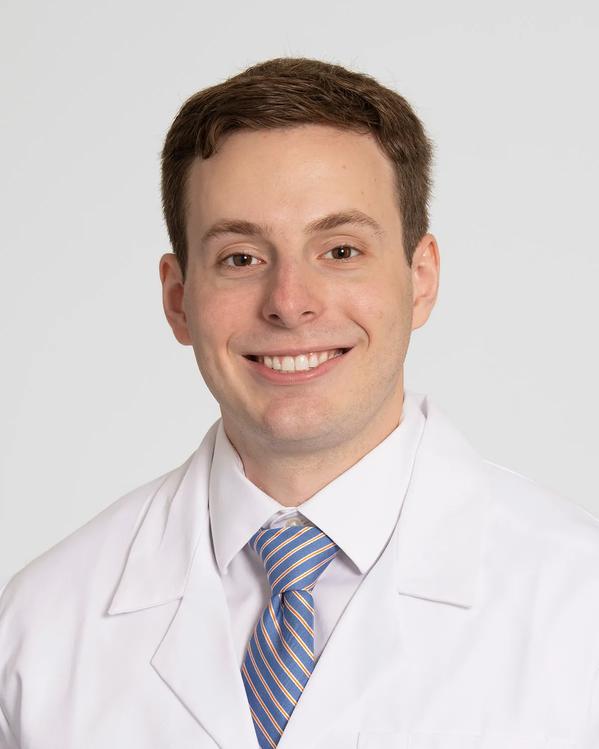
Tell us briefly about yourself.
Originally from Wisconsin, I attended college at the University of Wisconsin-Whitewater, majoring in biology and Spanish before coming to CCLCM. I am a few months into my fifth year at CCLCM and am looking forward to continuing my training in residency.
Why did you choose CCLCM?
CCLCM provides a unique curricular structure compared to other programs. I enjoyed my experience in research during my undergraduate education, so CCLCM’s incorporation of both dedicated research time and methodological instruction stood out. The innovative evaluation system is also unique as it fosters a collaborative learning environment and prioritizes self-reflection and personalized improvement. I also have other interests outside of academics, and CCLCM’s schedule provides time to explore them.
What is one of your favorite experiences at CCLCM thus far?
I’ve really enjoyed the early clinical experience that CCLCM provides. These clinics taught me skills that I have used throughout my rotations to develop my own style when taking care of patients. It has also introduced me to numerous faculty members who helped me develop my leadership skills, which I have been fortunate to use for patient advocacy.
Tell us about your research year project.
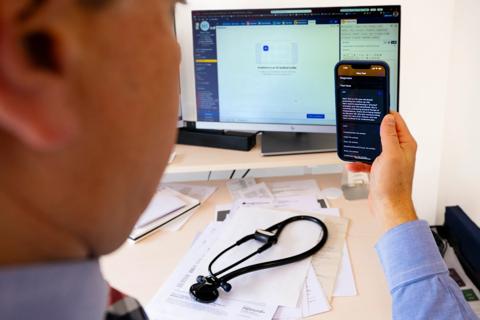
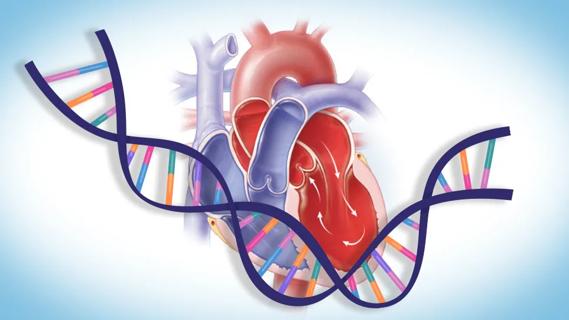
I worked with Sunil Srivastava, MD, and Sumit Sharma, MD (CCLCM ’09), to investigate how photos of the back of the retina (fundus photos) could be used to assess risk of heart attack and stroke. This central goal is based on research demonstrating that the retinal vasculature is among the most sensitive blood vessels in the body and responds to metabolic changes that may be implicated in cardiovascular disease. Current practice patterns recommend utilization of a risk calculator in primary care clinics that depends on blood tests, which can be difficult for many patients to obtain. We hope to utilize this non-invasive imaging to make assessment of cardiovascular health more accessible and personalized for patients.
What advice would you give to new CCLCM students?
Even with the advantages of the curriculum, there can be a lot of uncertainty when you first start. We are used to grades being an easy way to see how we are progressing through our education, so not having that safety net can be a bit of a shock. It’s important to trust your preparation and recognize that you still have those same study skills and knowledge base when you received grades, but now the focus is on mastery and depth of understanding instead of an upcoming midterm.
How do you manage stress?
I really enjoy sports and love watching the Brewers, Bucks and Packers as well as local teams like the Guardians and Cavaliers throughout the year! I also like spending time with my friends and going for walks at the great Metroparks system like Rocky River Reservation or the nearby Cuyahoga Valley National Park.
Tell us a fun fact about yourself.
I enjoy public service and have held positions ranging from student government to the city council!
 Search