Locations:





An emergency medicine physician issues a reminder about the dangers of carbon monoxide exposure as many people turn up the heat to stay warm this winter.
Cleveland Clinic News Service | 216.444.0141
We’re available to shoot custom interviews & b-roll for media outlets upon request.
For download password, contact ccnewsservice@ccf.org.
CLEVELAND - If you haven’t checked your carbon monoxide detector in a while, now is a good time to do so -- especially as we crank up the heat to stay warm this winter.
“The wintertime actually makes it the perfect environment for carbon monoxide poisoning. People have their houses sealed up. Their heaters are on. They may be warming up cars in garages. Or if the power goes out, they might be using generators,” said Thomas Waters, MD, emergency medicine physician at Cleveland Clinic.
Dr. Waters said carbon monoxide is a colorless, odorless and tasteless gas that develops when fuel isn’t burned completely.
You can prevent it by using carbon monoxide detectors and making sure all fuel-burning appliances are well maintained.
Symptoms of carbon monoxide poisoning can vary.
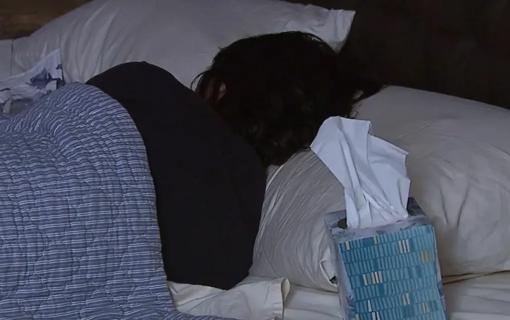
In the early stages it can cause headache, nausea and shortness of breath.
Longer exposure can lead to mental confusion, chest pain, a loss of consciousness and even death.
“If you do develop symptoms, get to the emergency department as soon as possible. The first step in treatment is oxygen. We put patients on 100% oxygen to help because carbon monoxide impairs your body’s ability to transport oxygen. So, the more oxygen we can give you, the better you’re going to be, and we’ll help wash out that carbon monoxide,” said Dr. Waters.
Dr. Waters said if your carbon monoxide detector does go off, it’s important to get out of the house and call 911.
Do not go back in to investigate, that’s a job for emergency responders.



 Search