Locations:




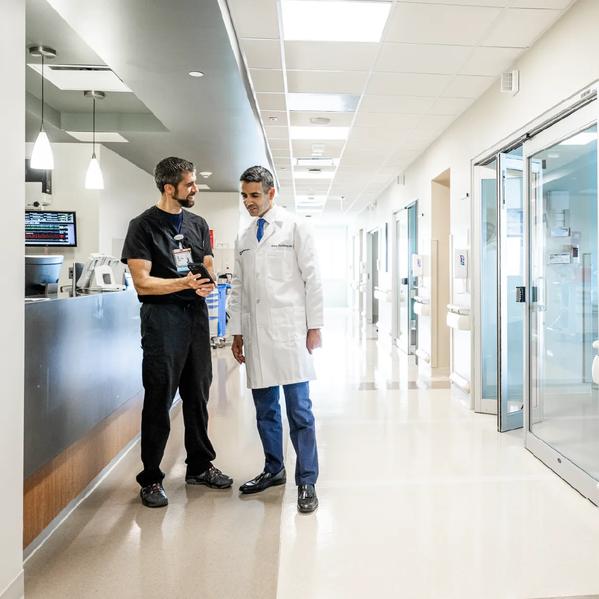
Through virtual check‑ins, care teams support patients through the most vulnerable stage of healing at home.
Patients recovering from neurosurgery receive around‑the‑clock, comprehensive care at Cleveland Clinic Tradition Hospital. However, once high‑risk neurological patients finally return home, the shift to managing new medications and healing on their own can be challenging, and for some, uncertainty during this time can lead to avoidable emergency department visits or hospital readmissions.
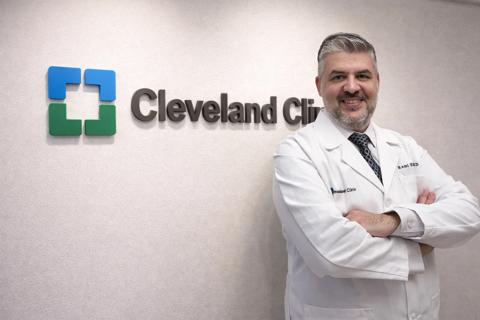
Recognizing this gap, Marc Alain Babi, MD, MBA, a neurocritical care specialist and Cerebrovascular Center Director for Cleveland Clinic Florida, set out to reimagine what support could look like after discharge. With funding from a Catalyst Grant, Dr. Babi launched a structured virtual outreach program designed to extend Cleveland Clinic’s neurological care beyond the hospital walls and into the early recovery period at home.
“Patients receive excellent, highly specialized care while they are in the hospital, but once they return home, that transition can feel fragmented and overwhelming,” says Dr. Babi. “We wanted to use the telemedicine and outreach tools we already have to bridge that critical period between discharge and the first follow-up visit.”
The program provides patients with a follow‑up call within 24 to 72 hours after discharge, followed by weekly touchpoints during early recovery. Using a standardized checklist, nurses and trained caregivers review medications and dosages, assess symptoms, reinforce discharge instructions and identify potential complications early. The calls also give patients and families opportunities to ask questions, share concerns and offer feedback about their hospital experience.
“When patients come to us, they are often experiencing one of the most vulnerable moments of their lives, whether from stroke, trauma, brain hemorrhage or another serious neurological condition,” says Dr. Babi. “This program is about fulfilling our responsibility to them, both ethically and professionally. It is about staying connected, supporting families and making sure patients do not feel alone after they leave the hospital.”
Catalyst Grants are funded annually by thousands of gifts of all sizes from donors. The competitive grants are awarded to caregivers with innovative ideas to improve the lives of Cleveland Clinic patients, the organization and communities around the world. Dr. Babi was awarded $100,000 to bring this program to life.
“The Catalyst Grant gave us the resources to build this program in a structured and sustainable way,” says Dr. Babi. “Our goal is to start with a focused pilot, measure the impact and then integrate what works into our standard processes and care pathways. Early signals are encouraging, including a reduction in readmission rates.”
Cleveland Clinic Tradition Hospital is designated as a Joint Commission Advanced Comprehensive Stroke Center, the highest level of stroke certification awarded by The Joint Commission.
 Search