Locations:


Study indicates common CD36 gene variant may be the leading genetic cause of dilated cardiomyopathy in this population

A new Cleveland Clinic-led study shows that a common variant in the gene CD36 may be the leading genetic contributor to dilated cardiomyopathy (DCM) in people with African ancestry.
The CD36 variant is present in approximately 17% of people with African ancestry and substantially increases the risk of dilated cardiomyopathy, an important cause of heart failure and heart transplantation.
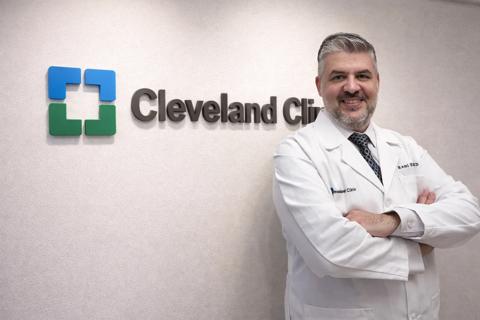
“These findings suggest that we are missing an important opportunity by not routinely testing for this variant as part of the genetic evaluation of dilated cardiomyopathy in individuals with African ancestry,” said Krishna Aragam, M.D., director of Cardiovascular Genomics and Precision Medicine at Cleveland Clinic and senior author of the study. “We believe these results make a strong case for incorporating this CD36 variant into routine clinical cardiomyopathy genetic testing.”
The study, published in the Journal of the American Medical Association, builds upon prior research that first linked the CD36 variant to dilated cardiomyopathy and now establishes its importance relative to other known genetic causes of the disease.
The new findings suggest that, in individuals of African ancestry, the CD36 variant may have a greater population impact than established genetic causes of dilated cardiomyopathy routinely evaluated in clinical practice.
Cleveland Clinic led the study in collaboration with the Broad Institute of MIT and Harvard, the Perelman School of Medicine at the University of Pennsylvania, the U.S. Department of Veterans Affairs and The Ohio State University.
In the multi-cohort U.S. genetic association study, researchers analyzed 82,623 individuals of African ancestry across four U.S. datasets. Participants had an average age of 53 years and 1,625 had dilated cardiomyopathy. Approximately 1% of individuals of African ancestry carried two copies of the CD36 risk variant; these individuals had approximately fivefold higher the odds of developing the condition compared with noncarriers.
The CD36 variant was estimated to account for approximately 9% of dilated cardiomyopathy cases among individuals of African ancestry. By comparison, variants in the TTN gene – long considered the most common genetic cause of dilated cardiomyopathy – accounted for approximately 4% of cases.
The findings suggest that the CD36 variant is the leading known genetic cause of DCM among people of African ancestry. The CD36 gene variant is common among people of African ancestry but is virtually absent in those of European ancestry.
Despite its population impact, the CD36 variant is not currently included in standard cardiomyopathy genetic testing panels. Cleveland Clinic plans to incorporate testing for the gene variant into clinical practice in the future.
“The genetic contributor that matters most to this condition in this population is one that hospitals across the country are not testing for,” added Dr. Aragam. “This isn’t just a future implication – it represents a current and major gap in clinical genetic testing, and one we can begin to address. That’s why we plan to incorporate the CD36 variant into our genetic cardiomyopathy testing here at Cleveland Clinic.”
Cleveland Clinic is a nonprofit multispecialty academic medical center that integrates clinical and hospital care with research and education. Founded in 1921 by four renowned physicians with a vision of providing outstanding patient care based upon the principles of cooperation, compassion and innovation, Cleveland Clinic has pioneered many medical breakthroughs, including coronary artery bypass surgery and the first face transplant in the United States. Cleveland Clinic is consistently recognized in the U.S. and throughout the world for its expertise and care. Among Cleveland Clinic’s 83,000 employees worldwide are more than 6,600 salaried physicians and researchers, and 21,900 registered nurses and advanced practice providers, representing 140 medical specialties and subspecialties. Cleveland Clinic is a 6,725-bed health system that includes a 173-acre main campus near downtown Cleveland, 23 hospitals, 300 outpatient facilities, including locations in northeast Ohio; Florida; Las Vegas, Nevada; Toronto, Canada; Abu Dhabi, UAE; and London, England. In 2025, there were 15.9 million outpatient encounters, 343,000 hospital admissions and observations, and 336,000 surgeries and procedures throughout Cleveland Clinic’s health system. Visit us at clevelandclinic.org. Follow us at x.com/CleClinicNews. News and resources are available at newsroom.clevelandclinic.org.
Editor’s Note: Cleveland Clinic News Service is available to provide broadcast-quality interviews and B-roll upon request.







 Search