Locations:


With Daylight Saving Time over until next spring and evenings getting darker earlier, a psychologist explains how this can trigger seasonal affective disorder and goes over ways to cope.
Cleveland Clinic News Service | 216.444.0141
We’re available to shoot custom interviews & b-roll for media outlets upon request.
For download password, contact ccnewsservice@ccf.org.
CLEVELAND - After turning the clocks back, many of us are adjusting to earlier sunsets and darker evenings.
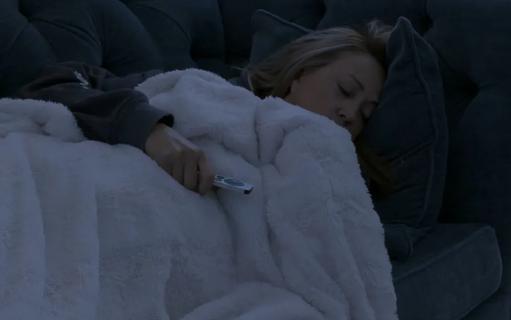
As those daylight hours continue to shrink, some people may start experiencing seasonal affective disorder.
"Seasonal affective disorder is a form of depression that occurs when the seasons change, a lot of times fall into winter. Then, it usually subsides a little bit more going into the spring and summer,” said Beena Persaud, PsyD, a psychologist with Cleveland Clinic.
According to Dr. Persaud, the drop in sunshine can disrupt the body's internal clock, affecting sleep, energy levels and mood.
Common symptoms of seasonal affective disorder include feeling sad, irritable or fatigued.
The condition often begins in young adulthood, and those with a history of depression may be at greater risk.
To help manage symptoms, Dr. Persaud recommends getting sunlight in the morning, exercising regularly and staying connected with others.
Above all, it's important to recognize when to seek help if your symptoms aren't getting better.
"For any mental health disorder, seek help if it starts disrupting your life – whether that be trouble getting out of bed, going to work or fulfilling duties that you're supposed to,” Dr. Persaud said.
Dr. Persaud said you don't have to manage seasonal affective disorder alone.
A mental health professional can help you come up with strategies to cope with symptoms.







 Search