Locations:





Study adds to the questions surrounding the safety of calcium supplements
Cleveland Clinic News Service | 216.444.0141
We’re available to shoot custom interviews & b-roll for media outlets upon request.
CCNS health and medical content is consumer-friendly, professional broadcast quality (available in HD), and available to media outlets each day.

A new study adds to the questions surrounding the safety of calcium supplements.
Previous research has suggested this widely used dietary supplement may increase the risk of heart attack, and now data is linking calcium supplements to dementia in women who have had a stroke or who have white matter disease.
Video content: This video is available to watch online.
View video online (https://www.youtube.com/embed/WFnQxh7QhHw)
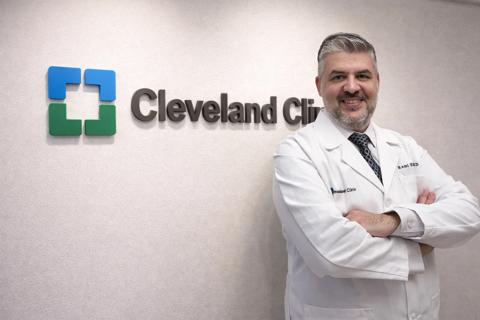
“This relationship was focused on women with a history of stroke or white matter disease, which is an indicator of some vascular disease in the brain, those women were at an increased risk of having dementia,” said Irene Katzan, M.D., a neurologist at Cleveland Clinic.
Researchers studied 700 dementia-free women between the ages of 70 and 92. The women were followed for 5 years and calcium supplement use and dementia diagnosis were observed throughout the study.
Results show that women with a history of stroke who took calcium supplements had nearly seven-times the increased risk of developing dementia.
Women who took calcium supplements and had white matter disease were three-times as likely to develop dementia.
However, women without a history of stroke or white matter disease had no increased dementia risk when taking calcium supplements, according to the research.
Dr. Katzan said more research is needed and this study alone shouldn’t cause anyone to immediately stop taking their calcium supplements, but it should prompt a discussion with your healthcare provider.
“This is a good time to talk to your doctor about what supplements you should be taking, what is best in my specific instance, given my risk factors and my medical history,” said Dr. Katzan.
Cleveland Clinic is a nonprofit multispecialty academic medical center that integrates clinical and hospital care with research and education. Founded in 1921 by four renowned physicians with a vision of providing outstanding patient care based upon the principles of cooperation, compassion and innovation, Cleveland Clinic has pioneered many medical breakthroughs, including coronary artery bypass surgery and the first face transplant in the United States. Cleveland Clinic is consistently recognized in the U.S. and throughout the world for its expertise and care. Among Cleveland Clinic’s 83,000 employees worldwide are more than 6,600 salaried physicians and researchers, and 21,900 registered nurses and advanced practice providers, representing 140 medical specialties and subspecialties. Cleveland Clinic is a 6,725-bed health system that includes a 173-acre main campus near downtown Cleveland, 23 hospitals, 300 outpatient facilities, including locations in northeast Ohio; Florida; Las Vegas, Nevada; Toronto, Canada; Abu Dhabi, UAE; and London, England. In 2025, there were 15.9 million outpatient encounters, 343,000 hospital admissions and observations, and 336,000 surgeries and procedures throughout Cleveland Clinic’s health system. Visit us at clevelandclinic.org. Follow us at x.com/CleClinicNews. News and resources are available at newsroom.clevelandclinic.org.
Editor’s Note: Cleveland Clinic News Service is available to provide broadcast-quality interviews and B-roll upon request.







 Search