Locations:


PATHFINDER Study to recruit local patients and will use investigational early detection blood test to inform clinical care
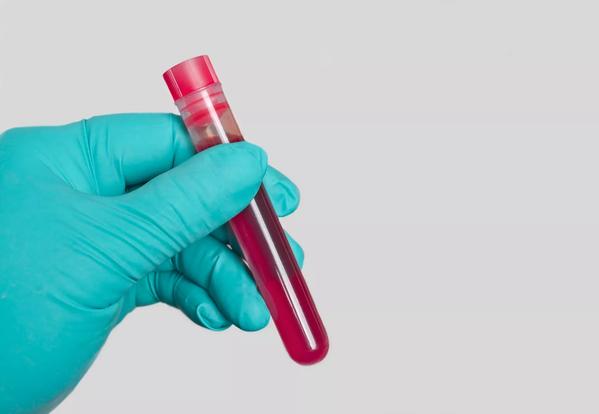
Cleveland Clinic has joined the PATHFINDER Study, a prospective, multi-center clinical trial that is evaluating the clinical use of an investigational blood test that has the ability to detect more than 50 cancers across stages I-IV with a single blood draw.
The test aims to detect cancers in earlier stages that otherwise may not be detected until symptoms appear, when the chances of survival are lower. PATHFINDER is the first trial to study implementation of the blood test into clinical practice.

Image content: This image is available to view online.
View image online (https://assets.clevelandclinic.org/transform/ac3a3640-fb41-4912-8511-3e85e6d9e6f9/Klein_Eric_228628_jpg)
Eric Klein, M.D.
“We haven’t had a multi-cancer detection test like this before. We are trying to determine if using this test will allow us to identify cancers in asymptomatic people at average or elevated risk of cancer at an earlier stage than is currently possible,” says Eric Klein, M.D., chairman of Cleveland Clinic’s Glickman Urological & Kidney Institute and the principal investigator of Cleveland Clinic’s portion of the PATHFINDER Study. “Even if this test only detects a fraction of people who have early-stage cancer, it’s the first time that we will be able to detect many cancers that are currently lethal when we should be able to cure them.”
According to research published in March in the Annals of Oncology, in cases where the test detected a cancer signal, it also determined which organ it arose from with 93 percent accuracy. Identifying where the cancer originated will help enable physicians to guide PATHFINDER participants with a positive test result through the next appropriate steps. The test has shown the ability to detect cancer with a 0.7 percent false positive rate, meaning that less than 1 percent of people with no cancer would be wrongly identified as having cancer. A low false positive rate is important to minimize the associated harms of patient anxiety and unnecessary follow-up testing.
The PATHFINDER Study plans to enroll approximately 6,200 total participants, with Cleveland Clinic aiming to enroll patients from the Cleveland area. The study is currently open to men and women aged 50 years or older who meet the eligibility criteria and receive care at Cleveland Clinic. To learn more, visit Clevelandclinic.org/pathfinderstudy.
The PATHFINDER study is sponsored by GRAIL, Inc., the company who developed the multi-cancer early detection blood test.
Dr. Klein is a paid consultant for GRAIL, Inc.
Cleveland Clinic is a nonprofit multispecialty academic medical center that integrates clinical and hospital care with research and education. Founded in 1921 by four renowned physicians with a vision of providing outstanding patient care based upon the principles of cooperation, compassion and innovation, Cleveland Clinic has pioneered many medical breakthroughs, including coronary artery bypass surgery and the first face transplant in the United States. Cleveland Clinic is consistently recognized in the U.S. and throughout the world for its expertise and care. Among Cleveland Clinic’s 83,000 employees worldwide are more than 6,600 salaried physicians and researchers, and 21,900 registered nurses and advanced practice providers, representing 140 medical specialties and subspecialties. Cleveland Clinic is a 6,725-bed health system that includes a 173-acre main campus near downtown Cleveland, 23 hospitals, 300 outpatient facilities, including locations in northeast Ohio; Florida; Las Vegas, Nevada; Toronto, Canada; Abu Dhabi, UAE; and London, England. In 2025, there were 15.9 million outpatient encounters, 343,000 hospital admissions and observations, and 336,000 surgeries and procedures throughout Cleveland Clinic’s health system. Visit us at clevelandclinic.org. Follow us at x.com/CleClinicNews. News and resources are available at newsroom.clevelandclinic.org.
Editor’s Note: Cleveland Clinic News Service is available to provide broadcast-quality interviews and B-roll upon request.







 Search