Locations:


One-time treatment reduced triglycerides by nearly 65% after 30 days
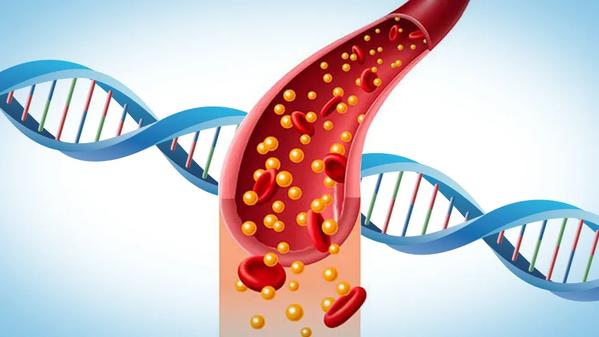
Chicago: A Cleveland Clinic Phase 1b clinical trial has shown that a one-time CRISPR-Cas9 gene-editing therapy significantly reduced triglyceride levels in patients with severe hypertriglyceridemia, a condition that raises the risk of heart disease.
Findings were presented today during a late-breaking science session at the American Heart Association’s annual meeting in Chicago.
Researchers tested a new treatment called CTX310 to target the ANGPTL3 gene, a key regulator of lipid metabolism that contributes to elevated triglyceride levels, in 10 adults with severe hypertriglyceridemia. Results showed that 30 days after receiving a single intravenous infusion, participants experienced an average reduction of 63% (with reductions up to 85%) in triglyceride levels and more than a 65% drop in ANGPTL3 levels. Non-HDL cholesterol, apolipoprotein B and triglyceride-rich lipoprotein cholesterol levels were also lowered.
“The results are encouraging because they suggest it may be possible to achieve substantial triglyceride reductions with a single treatment,” said Ashish Sarraju, M.D., a cardiologist at Cleveland Clinic and study presenter. “It’s particularly important in this patient population because severe hypertriglyceridemia increases the risk of pancreatitis as well as cardiovascular disease.”
The treatment uses gene-editing technology to turn off a gene known to contribute to elevated triglyceride levels. Researchers hope this approach could provide long-lasting benefits without the need for ongoing medications, though additional research is needed to determine how durable the effects may be.
Researchers also reported that the treatment was generally well tolerated, with no serious side effects related to the treatment observed.
The study builds upon Phase 1 published research, which focused on a variety of lipid disorders and doses, and was funded by CRISPR Therapeutics AG; Zug, Switzerland.
Cleveland Clinic is a nonprofit multispecialty academic medical center that integrates clinical and hospital care with research and education. Founded in 1921 by four renowned physicians with a vision of providing outstanding patient care based upon the principles of cooperation, compassion and innovation, Cleveland Clinic has pioneered many medical breakthroughs, including coronary artery bypass surgery and the first face transplant in the United States. Cleveland Clinic is consistently recognized in the U.S. and throughout the world for its expertise and care. Among Cleveland Clinic’s 83,000 employees worldwide are more than 6,600 salaried physicians and researchers, and 21,900 registered nurses and advanced practice providers, representing 140 medical specialties and subspecialties. Cleveland Clinic is a 6,725-bed health system that includes a 173-acre main campus near downtown Cleveland, 23 hospitals, 300 outpatient facilities, including locations in northeast Ohio; Florida; Las Vegas, Nevada; Toronto, Canada; Abu Dhabi, UAE; and London, England. In 2025, there were 15.9 million outpatient encounters, 343,000 hospital admissions and observations, and 336,000 surgeries and procedures throughout Cleveland Clinic’s health system. Visit us at clevelandclinic.org. Follow us at x.com/CleClinicNews. News and resources are available at newsroom.clevelandclinic.org.
Editor’s Note: Cleveland Clinic News Service is available to provide broadcast-quality interviews and B-roll upon request.






 Search