Locations:





Atrial Fibrillation, the most common type of heart rhythm disorder, is typically first treated with anti-arrhythmic medications
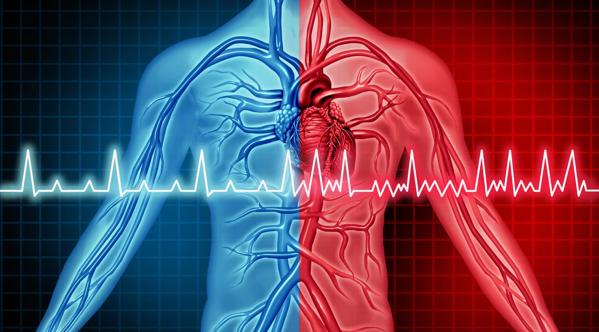

Image content: This image is available to view online.
View image online (https://assets.clevelandclinic.org/transform/f1b064ca-71cf-48c5-837c-efa307f3a9c0/Wazni_Oussama_516545_jpg)
Oussama Wazni, M.D.
Cleveland Clinic researchers have found that using a certain ablation procedure as the first treatment for intermittent atrial fibrillation may be more effective than standard-of-care management using medications. The study was presented today as a late-breaking clinical trial at the European Society of Cardiology meeting.
Atrial fibrillation is the most common type of heart rhythm disorder. The Centers for Disease Control and Prevention estimates it affects between 2.7 million and 6.1 million people in the United States. About 40 percent of patients with this condition have intermittent episodes of atrial fibrillation, called paroxysmal atrial fibrillation, which could eventually progress into persistent atrial fibrillation. Atrial fibrillation can lead to serious issues such as blood clots, a decrease in the heart’s ability to pump blood and strokes. Patients with atrial fibrillation are five- to seven-times more likely to have a stroke than the general population.
Paroxysmal atrial fibrillation is typically first treated with anti-arrthymic drugs. However, improvements in the safety and efficacy of catheter ablation have led to increased interest ablation as a first line of therapy.
The STOP AF FIRST trial studied 203 patients with paroxysmal atrial fibrillation, not previously treated with medications, over the course of a year at 24 sites across the U.S. The patients were randomized to receive cryoballoon catheter ablation or standard-of-care medications. In cryoballoon ablation, the physician uses a catheter with an attached balloon filled with liquid nitrogen to freeze and immobilize the heart tissue that is causing the irregular heartbeat. At 12 months, 75 percent of the ablation patients were free from atrial fibrillation without additional treatment compared to 45 percent of the medication patients.
“Previous studies have shown success in using ablation early in atrial fibrillation patients, but this is the first to look at ablation as the first therapy in a large FDA-regulated study, and the results may signal a shift in how we think about treatment,” said Oussama Wazni, M.D., section head of electrophysiology and pacing at Cleveland Clinic and principal investigator of the study. “Earlier intervention with catheter ablation may keep patients free from atrial fibrillation longer and prevent the disease from progressing into more persistent atrial fibrillation.”
Researchers also studied the safety of cryoballoon catheter ablation as a first line treatment. Only two primary safety events (1.9 percent) were observed in the catheter ablation arm.
Cleveland Clinic is a nonprofit multispecialty academic medical center that integrates clinical and hospital care with research and education. Founded in 1921 by four renowned physicians with a vision of providing outstanding patient care based upon the principles of cooperation, compassion and innovation, Cleveland Clinic has pioneered many medical breakthroughs, including coronary artery bypass surgery and the first face transplant in the United States. Cleveland Clinic is consistently recognized in the U.S. and throughout the world for its expertise and care. Among Cleveland Clinic’s 83,000 employees worldwide are more than 6,600 salaried physicians and researchers, and 21,900 registered nurses and advanced practice providers, representing 140 medical specialties and subspecialties. Cleveland Clinic is a 6,725-bed health system that includes a 173-acre main campus near downtown Cleveland, 23 hospitals, 300 outpatient facilities, including locations in northeast Ohio; Florida; Las Vegas, Nevada; Toronto, Canada; Abu Dhabi, UAE; and London, England. In 2025, there were 15.9 million outpatient encounters, 343,000 hospital admissions and observations, and 336,000 surgeries and procedures throughout Cleveland Clinic’s health system. Visit us at clevelandclinic.org. Follow us at x.com/CleClinicNews. News and resources are available at newsroom.clevelandclinic.org.
Editor’s Note: Cleveland Clinic News Service is available to provide broadcast-quality interviews and B-roll upon request.




 Search