Locations:


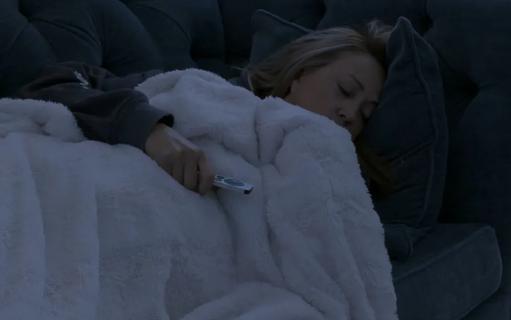
Do you struggle to get a good night's rest? A physician explains why some of your bedtime habits could be sabotaging your sleep.
Cleveland Clinic News Service | 216.444.0141
We’re available to shoot custom interviews & b-roll for media outlets upon request.
For download password, contact ccnewsservice@ccf.org.
CLEVELAND - If you struggle to get a good night’s sleep, you may want to look at some of your habits – like what time you actually go to bed.
“Everybody in America, on average, sleeps less than the recommended amount of sleep. The normal amount for an adult human being is from seven to nine hours. If you're getting less than that, then it's probably not enough sleep. Can you survive? Yeah, you probably do fine, you scrape by, you'll be okay. But that's not the optimum amount of sleep for you to feel good and be efficient and productive the next day,” explained Brian Chen, MD, sleep specialist at Cleveland Clinic.
Dr. Chen said that’s not the only way people sabotage their sleep.
Many of us are also guilty of using screens up until the minute we go to bed.
He explains that the blue light from our cellphone and TVs can disrupt our melatonin production, which can in turn make it harder to fall asleep and stay asleep.
He recommends no screens in the hour or two leading up to bed.
The same goes for exercising and eating.
“If you could cut all that off, screens are off, you're done exercising, you're done eating, you're done for the day. However, don't just lay in bed, do something relaxing. That's a great time for cleaning, reading, journaling, setting out things that you need to do for the next day and being ready, preparing your body for the next day,” he said.
Dr. Chen said one other factor that could play a role with poor sleep is something called ‘social jet lag.’
That’s when a person stays up late on the weekends and then has trouble going to bed earlier during the week.
He said, if possible, it’s best to keep your sleep schedule consistent.





 Search