Locations:





A doctor who specializes in geriatric medicine highlights some of the most common myths he hears when it comes to aging.
Cleveland Clinic News Service | 216.444.0141
We’re available to shoot custom interviews & b-roll for media outlets upon request.
For download password, contact ccnewsservice@ccf.org.
CLEVELAND - There are many myths when it comes to aging, such as the belief that once you hit a certain age it’s too late to start exercising.
But as Ronan Factora, MD, a geriatrician at Cleveland Clinic explains, that’s not true.
“That is a big myth where if you get older, you’re going to be less mobile, you shouldn’t be exercising, you need to be worried about your safety. Those are all good considerations, but the key thing if you get older is that you have to keep moving. There’s no time in which exercise and physical activity are not beneficial for you,” said Dr. Factora.
He said regular exercise can help with weight management, heart health, strength and can even boost your mood.
So, which kind of exercise is best?
He said you don’t have to do anything too rigorous.
Some options include walking, biking, swimming or taking a dance class.
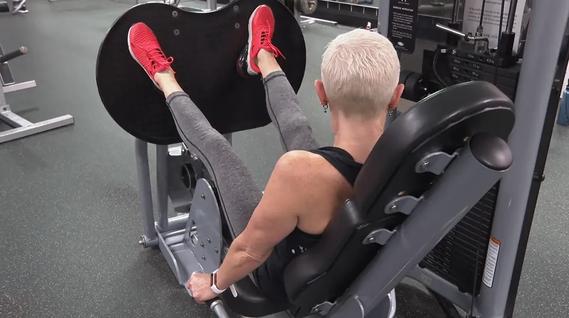
He also suggests strength training if possible.
You could use light weights a couple of times a week.
Another common myth Dr. Factora said he's heard is the claim that osteoporosis only affects women.
However, everyone is at risk for it.
“For women, getting screened for osteoporosis is a common part of their medical care. Men may be overlooked. If a man has lost an inch of height or more over their lifetime, you’ll probably want to take a look to see if your bones are as healthy as they should be because that height loss tells you that your bones and your spine have degenerated over time. They’re not as firm as they used to be,” he said.
Dr. Factora said one other myth is the assumption that everyone suffers from memory loss when they get older.
He said while Alzheimer’s and dementia can’t always be prevented, there are things you can do to help lower your risk, like eating healthy, staying active, learning new skills, and maintaining social connections.





 Search