Locations:





TMAO (trimethylamine N-oxide) is found in red meat and other animal products
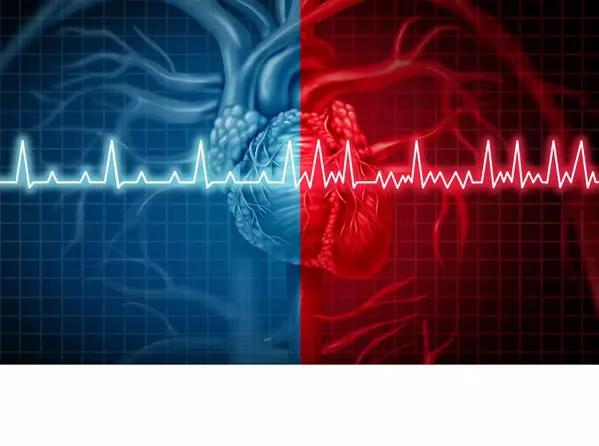
A Cleveland Clinic-led study shows a connection between elevated blood levels of TMAO (trimethylamine N-oxide) — a byproduct of gut bacteria digestion of nutrients found in red meat and other animal products — and a higher risk of atrial fibrillation.
The research team, led by Robert Koeth, M.D., Ph.D., analyzed blood samples from more than 5,000 people undergoing heart procedures. The researchers also conducted laboratory studies in cells to better understand how TMAO may influence the heart. They discovered that gut microbe-produced TMAO changes the heart’s electrical environment, increasing susceptibility to abnormal rhythms. Findings were published today in the Journal of Clinical Investigation.
Atrial fibrillation is the most common type of rhythm disorder that begins in your heart’s upper chambers, with at least 2.7 million Americans living with it. Symptoms include fatigue, heart palpitations, trouble breathing and dizziness. Risk factors include high blood pressure, coronary artery disease and having obesity. Medications and procedures such as an ablation, where scar tissue is created to help the electrical system work better, can lower your risk of a stroke.
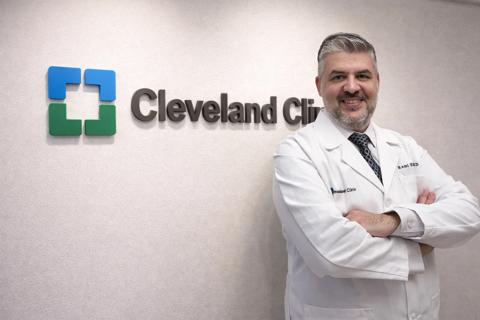
“Most current treatments for atrial fibrillation focus on managing the condition, but our findings suggest there may be an opportunity to intervene much earlier through diet,” said Dr. Koeth, senior author and electrophysiologist in the Miller Family Heart, Vascular & Thoracic Institute at Cleveland Clinic.
This study builds on more than a decade of Cleveland Clinic research related to the gut microbiome’s role in cardiovascular health and disease, including adverse effects of TMAO. The research team has published numerous studies linking high TMAO levels to increased risk of developing both chronic kidney disease and cardiovascular disease, including adverse events like heart attack and stroke. TMAO testing is now widely available and has been incorporated in clinical practice.
Cleveland Clinic is a nonprofit multispecialty academic medical center that integrates clinical and hospital care with research and education. Founded in 1921 by four renowned physicians with a vision of providing outstanding patient care based upon the principles of cooperation, compassion and innovation, Cleveland Clinic has pioneered many medical breakthroughs, including coronary artery bypass surgery and the first face transplant in the United States. Cleveland Clinic is consistently recognized in the U.S. and throughout the world for its expertise and care. Among Cleveland Clinic’s 83,000 employees worldwide are more than 6,600 salaried physicians and researchers, and 21,900 registered nurses and advanced practice providers, representing 140 medical specialties and subspecialties. Cleveland Clinic is a 6,725-bed health system that includes a 173-acre main campus near downtown Cleveland, 23 hospitals, 300 outpatient facilities, including locations in northeast Ohio; Florida; Las Vegas, Nevada; Toronto, Canada; Abu Dhabi, UAE; and London, England. In 2025, there were 15.9 million outpatient encounters, 343,000 hospital admissions and observations, and 336,000 surgeries and procedures throughout Cleveland Clinic’s health system. Visit us at clevelandclinic.org. Follow us at x.com/CleClinicNews. News and resources are available at newsroom.clevelandclinic.org.
Editor’s Note: Cleveland Clinic News Service is available to provide broadcast-quality interviews and B-roll upon request.



 Search