Locations:




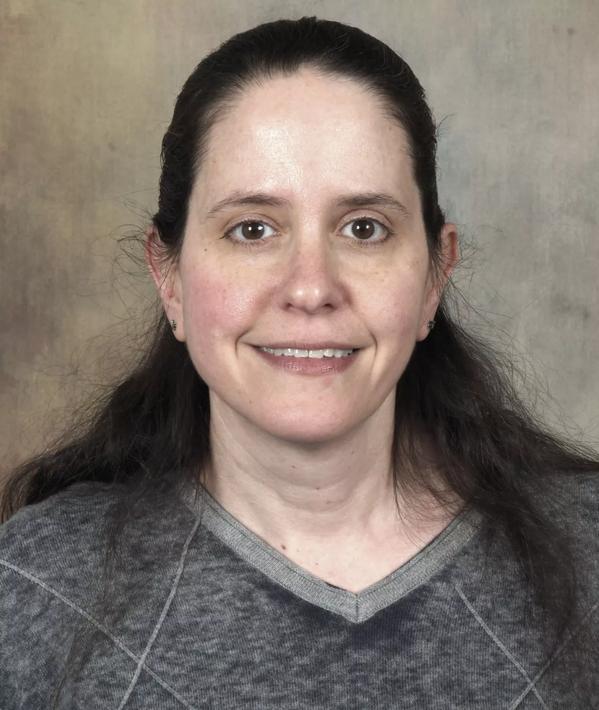
Following the completion of her dual addiction medicine clinical and research fellowship, Stephanie T. Weiss, MD, (’11), PhD, has accepted a position as the staff research physician for the Translational Addiction Medicine Branch of the National Institute on Drug Abuse (NIDA) Intramural Research Program within the National Institutes of Health.
Dr. Weiss, who is already a board-certified emergency physician and medical toxicologist (a subspecialty caring for patients with overdoses and poisonings), recently took her addiction medicine board examination. She also gave several scientific presentations as well as served on a critical care addiction medicine panel at the North American Congress of Clinical Toxicology national conference, held in October 2021.
Dr. Weiss reports that both of her main research projects from her addiction medicine research fellowship, for which she was awarded toxicology society grants, are now wrapping up. One study involved looking at the rate and types of false negatives in the urine drug screens of trauma patients, while the other involved training addiction counselors on opioid pharmacology and naloxone administration and providing them with nasal naloxone kits to carry with them at work. At least one of the course participants has reported using their kit to save an overdosed patient’s life.
Dr. Weiss co-authored “Reconsidering Reliance on Confirmatory Drug Testing in a Patient With Repeated Positive Urine Drug Screen Results — A Teachable Moment,” which was published in JAMA Internal Medicine online on Oct. 25, 2021. The paper describes the case of one of her methadone clinic patients, a woman with a history of illicit fentanyl use, who was discharged from her recovery housing due to a misinterpretation of her confirmatory urine drug testing results, which led to her providers incorrectly concluding that she had relapsed. Dr. Weiss and the patient hope that publication of this case will help make clinicians aware that, like THC from marijuana, fentanyl is a highly fat-soluble drug that can continue to leach out of patient fat stores for several weeks after the patient stops using the drug. This can lead to lingering positive drug test results, as occurred in this case.
Dr. Weiss is excited to join a multidisciplinary team of scientists and clinicians at the NIDA Translational Addiction Medicine Branch. “My NIDA colleagues and I hope to contribute to addiction research efforts aimed at improving the understanding of substance use disorders and their treatments,” she says.



 Search