Locations:





You may have heard it's best to first hydrogen peroxide on a wound before bandaging it up. But that can actually cause more harm than good. A family medicine physician explains why.
Cleveland Clinic News Service | 216.444.0141
We’re available to shoot custom interviews & b-roll for media outlets upon request.
For download password, contact ccnewsservice@ccf.org.
CLEVELAND - Growing up, you may have heard that you should treat open wounds with hydrogen peroxide, but that’s no longer the case.
“The truth is that hydrogen peroxide is no longer recommended for treating simple, basic open wounds because even though it's pretty good at killing bacteria, it's also good at damaging healthy tissue, which then can slow down the healing process,” explained John Hanicak, MD, family medicine physician at Cleveland Clinic.
So, what should you be using instead?
Dr. Hanicak said it’s best to rinse out the wound with soap and water.
You can then apply some petroleum jelly to keep the wound moist.
This will help with the healing process.
After that, you can wrap it up with a bandage.
And be sure to change those regularly – at least once or twice a day.
He notes that there are times where it’s best to seek medical care for a wound, like if it won’t stop bleeding or it starts to look infected.
“Anytime the wound is doing something that it's not supposed to do. So, what does that mean? Things like it's growing instead of shrinking, or if it's becoming itchier, if it's producing discharge or pus, if it's getting warmer or spreading in regard to redness or size. If it's moving in the wrong direction, a good rule of thumb is to check in with us and make sure that it's doing what it's supposed to be doing,” he said.
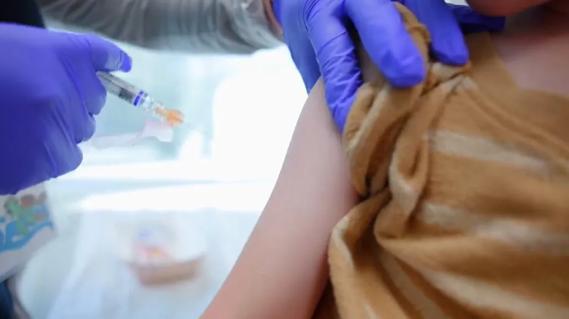
Dr. Hanicak also recommends getting a tetanus shot if you’ve never had one or are due for a booster, which is every ten years for an adult.
Tetanus is a very serious disease that can be prevented by making sure your tetanus vaccine is up to date.






 Search