Locations:




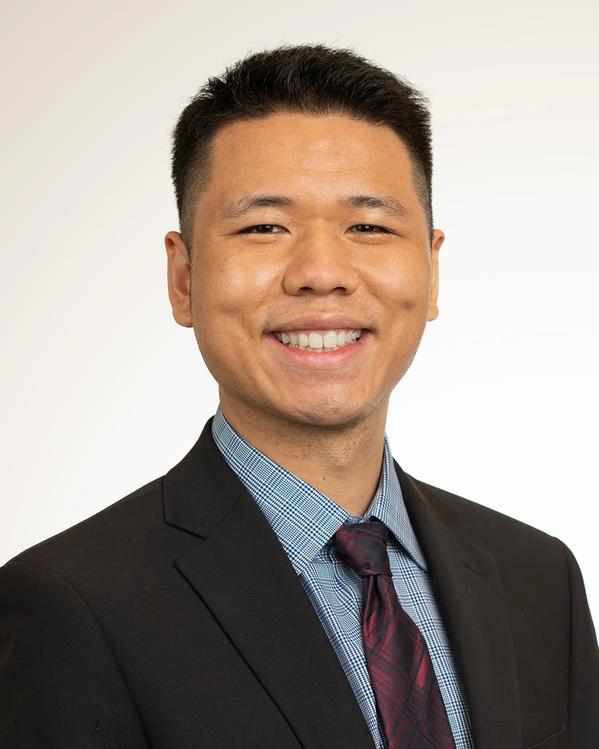
Tell us briefly about yourself.
I am originally from Canada, and grew up near Boston, Mass. I went to the University of Chicago for undergrad, where I majored in neuroscience. After graduating, I worked two years as a clinical research coordinator at Massachusetts General Hospital before coming to CCLCM. Looking forward, I am applying for residency in internal medicine, with a potential interest in fellowship.
Why did you choose CCLCM?
I felt CCLCM would be a great fit for many reasons. First, as someone who was completely undifferentiated coming in, I liked having the “extra” research year because it gave me the flexibility to adequately explore different specialties without the need to rush a decision. In addition, as someone interested in having research as part of their career, the ample opportunities for research were appealing. I also liked the idea of a smaller class size and early clinical exposure via Longitudinal Clinic.
What is one of your favorite experiences at CCLCM thus far?
I’ve really enjoyed my research year. My principal investigator, Claire Jansson-Knodell, MD, has been incredibly supportive, and it’s been rewarding to follow projects to completion. One highlight was having my thesis project on potential celiac disease accepted as a poster presentation at Digestive Disease Week 2026 in Chicago, which was both a fun and valuable learning experience.
What have you discovered about Cleveland that you especially enjoy?
The Metroparks are really nice, especially in the summer and fall. They are a great place to walk around in and spend time outdoors.
Tell us about your research year project.
My research year project is investigating the clinical outcomes of U.S. adults with potential celiac disease (PCeD) at Cleveland Clinic, focusing on progression to overt celiac disease and the impact of dietary patterns. Using a retrospective cohort from 2005 – 2025, we are analyzing follow-up visits, symptoms and gluten-free diet adherence.
The primary finding is that there is a critical need for standardized follow-up strategies for PCeD patients, with many patients lost to follow-up. With the data we do have, PCeD patients adhering to a strict gluten-free diet are more likely to report symptom improvement and normalization of celiac-related serum antibodies. In addition, progression to overt celiac disease is a rare clinical outcome.
How do you manage stress?
Spending time with my friends has been a good way to relieve stress for me, whether that be hiking, board games or trying new restaurants around Cleveland.
What are some words of wisdom you live by?
It’s really important to learn how to make time for yourself, even during your busiest times. Burnout is very real. Also, learning to not delay your happiness is useful. For example, toward the end of my Step 2 dedicated, I found that taking a few extra structured breaks improved my motivation and overall efficiency while studying.
What’s something you've been learning about lately simply out of curiosity?
With the extra schedule flexibility in research year, it’s been interesting to learn more about photography. I am very much still a novice, but it’s been fun.
What advice would you give to new CCLCM students?
Don’t be afraid to reach out to your upperclassmen. Everyone is super kind and willing to help, and they have a lot to offer in terms of student-specific advice, learning what to expect and taking advantage of opportunities at CCLCM.
Tell us a fun fact about yourself.
I have poliosis [an absence of melanin in hair that results in patches or streaks of white or gray hair] and do not, in fact, dye a patch of my hair every week.

 Search